Greater Bay Area Furniture Industrial Belt Map: Which Town Makes What
By Alex Chen
Published October 19, 2026 · Updated October 19, 2026

Ready to plan your trip?
WhatsApp, email, or our trip inquiry form—usually within 24 hours.
Overview
The Greater Bay Area furniture belt is four clusters: Lecong (showrooms) and Longjiang (factories, materials) in Foshan, Houjie and Dalingshan (export factories, 3F fair) in Dongguan, and Dachong (rosewood) in Zhongshan with Jiangmen's classical towns. Pick by category, keep to one side of the estuary per day, use one day to scout and two to check factories.
Key takeaways
- Choose the belt by category: Longjiang for upholstery and materials, Lecong for a style scan, Dachong for rosewood, Dongguan for export case goods, Guzhen for lighting.
- Foshan and Dongguan sit on opposite banks of the estuary, about 79 km apart by road. Do one side per day.
- Arrive with a one-page brief: photos, sizes, materials, a target price, quantities and a delivery port.
- A showroom is not a factory. Ask for the business licence and the factory address, then visit it.
- One day scouts one category; two days lets you check factories or cover two belts.
Planning advice
22 min read
The Greater Bay Area furniture industrial belt is really four clusters. Lecong (乐从) in Foshan is where finished furniture is shown and sold. Longjiang (龙江), a short drive south, is where much of it is made and where the materials are traded. Houjie (厚街) and Dalingshan (大岭山) in Dongguan are export factory towns across the Pearl River estuary. Dachong (大涌) in Zhongshan, with Daze and Dajiang in Jiangmen, is the rosewood and classical belt. Lunjiao (woodworking machinery), Guzhen (lighting) and Nanzhuang (tiles) are useful add-ons, and all of it lies within about 100 km of the Canton Fair halls in Guangzhou. Pick your belt by product category first. Then plan around the estuary: crossing it costs one to two hours each way.
It is 8:40 on a weekday morning in a car park in Lecong. The malls open at nine. A buyer from abroad has a folder of photos on her phone, a list of sizes in centimetres, a price she wants to hit, and no idea yet which of the next six buildings matters. By noon she will have seen three sofa makers who say they have a factory. Only one of them will be able to give her a factory address in Longjiang that she can visit tomorrow. That address is what the day was for.
This guide is the map we wish every buyer had before that morning. China Travel X has spent three years taking buyers into these towns with a car, a driver and a bilingual escort. It covers which town makes what, how long the drives really take, what to prepare, how showrooms, markets and factories differ, the mistakes we see most often, and how to decide between one day and two. It does not give you a day-by-day schedule, because yours depends on your category and your list.
Key Takeaways
- Choose the belt by category, not by fame. Upholstery and materials point to Longjiang, a broad style scan points to Lecong, rosewood and Ming-style pieces point to Dachong, export case goods point to Dongguan, lighting points to Guzhen.
- The estuary decides your day. Foshan and Dongguan sit on opposite banks, about 79 km apart by road. Do one side per day.
- Arrive with a one-page brief. Photos, sizes, materials, a target price, quantities and a delivery port get you real answers. "Just looking" gets you retail prices.
- A showroom is not a factory. Ask for the factory address and the business licence, then go and see it. The visit is the check.
- One day is for scouting one category. Two days is for checking factories or covering two belts. Anything beyond that is a sourcing trip and should be planned as one.
The belt map: which town makes what

The table is the short version. The figures in it come from the towns, their trade associations and local government pages. They describe each town in its own words and we have not audited them.
| Town (Chinese) | Known for | What you actually do there | Walk in or appointment |
|---|---|---|---|
| Lecong 乐从, Shunde, Foshan | Finished furniture of every style; 180+ malls by the market's own count | Compare styles, finishes and price bands; collect contacts | Malls are walk-in |
| Longjiang 龙江, Shunde, Foshan | Upholstered sofas and office seating; fabric, leather, foam, hardware and board markets | Visit factories you have shortlisted; source materials and components | Markets walk-in, factories by appointment |
| Lunjiao 伦教, Shunde, Foshan | Woodworking machinery | See machines if you run or are setting up a workshop | Machinery mall walk-in |
| Nanzhuang 南庄, Chancheng, Foshan | Ceramic tiles and bathroom products | Add-on for buyers fitting out a whole building | Walk-in trade halls |
| Houjie 厚街, Dongguan | Furniture Avenue, brand factories, the twice-yearly Famous Furniture Fair (3F) | Fair days, brand showrooms, export factories | Fair needs registration, factories by appointment |
| Dalingshan 大岭山, Dongguan | Export-oriented wooden and upholstered furniture factories | Factory visits for export programmes | Appointment |
| Dachong 大涌, Zhongshan | Rosewood (hongmu) and Ming- and Qing-style furniture | Showroom streets, workshops, the Redwood Cultural Expo City | Showrooms walk-in |
| Guzhen 古镇, Zhongshan | Lighting | Chandeliers, lamps and fittings to match a furniture order | Walk-in trade centres |
| Daze 大泽, Xinhui, Jiangmen | Classical furniture and timber trading | Classical pieces, hardwood timber | Mostly appointment |
| Dajiang 大江, Taishan, Jiangmen | Traditional hardwood furniture | Small high-end workshops | Appointment |
Foshan, west bank: Lecong, Longjiang and Lunjiao
Lecong is the shop window. By the market's own figures it has more than 180 malls and about 4 million square metres of floor space, strung along the main roads of the town, with the Louvre International Furniture Exhibition Center (罗浮宫国际家具博览中心) as the largest single building. Our Foshan furniture market trip guide lists the main malls and their opening hours, so we will not repeat them here.
Longjiang is where Lecong's stock often comes from. The China National Furniture Association's town profile describes more than 2,800 furniture companies and over 7,000 materials makers and traders, with eleven large materials markets. The biggest is the Asia International Furniture Materials Trading Center, zoned by fabric, leather, hardware and boards. If you buy sofas or office seating, Longjiang is the town that matters, and it is the place to check that the "factory" you met in a Lecong showroom exists. Longjiang also holds its own furniture fair twice a year; the 50th edition ran from 19 to 22 August 2026.
Lunjiao is a niche stop, but a real one. It has held the title "China Woodworking Machinery Town" from the China Forestry Machinery Association since 2006, renewed most recently in 2022, and local reporting counts more than 500 machinery companies. Buyers setting up their own workshop or upgrading a production line come here. Most furniture buyers do not need it.
Nanzhuang, ten minutes west of Lecong, is the tile and bathroom town. It is not furniture, but hotel and villa buyers often want both on one trip.
Dongguan, east bank: Houjie and Dalingshan
Houjie built a 5 km Furniture Avenue (家具大道) in 1995 and started the Famous Furniture Fair in 1999. The town government describes more than 700 furniture companies and close to 20 materials markets and large furniture malls. The next fair runs from 16 to 20 March 2027 at the Guangdong Modern International Exhibition Center, overlapping the first days of CIFF Guangzhou (18 to 21 March). If you plan to do both fairs, read our CIFF Guangzhou 2027 and Foshan factory day guide for how the March weeks fit together.
Dalingshan, about 20 minutes east of Houjie, is a factory town rather than a showroom town. The China National Furniture Association and the town co-branded it "China's No. 1 Furniture Export Town" in 2004, and the China National Light Industry Council renewed its "China Furniture Export Town" title in 2022. Many of its factories grew up making wooden and upholstered furniture for American and European importers. You come to Dalingshan with an appointment and a programme in mind, not to browse.

Zhongshan and Jiangmen: rosewood, classical furniture and lighting
Dachong is the rosewood town. It was the first place in China to receive a furniture-town title, "China Rosewood Furniture Production Town", in 2003, and the China National Forest Products Industry Association named it "China's Rosewood Industry Capital" in 2012. The Redwood Cultural Expo City (红木文化博览城) gathers hundreds of showrooms under one roof, and the workshop streets around it are where the carving actually happens. Buyers of Ming-style chairs, tea tables and carved cabinets start here.
Further west in Jiangmen, Xinhui was named "China Classical Furniture Capital" in 2009, with Daze town as its timber and classical furniture centre. Dajiang in Taishan holds the China National Furniture Association's "China Traditional Furniture Town" title from 2008 and is home to a smaller group of high-end hardwood workshops. These are appointment towns for collectors and specialist importers.
Guzhen is not a furniture town, but it fits on the map for one reason: lighting. The town government says it hosts more than 30,000 lighting businesses and supplies about 70% of China's domestic lighting market. Hotel and villa buyers who are already in Zhongshan often add half a day here.

Realistic travel times between the belts
Everything in the GBA looks close on a map, and the expressways are good. The problem is the estuary, the bridges over it, and the traffic around Guangzhou. These are road distances between town centres from a route planner, with the empty-road time it gives, and the time we actually plan with on a weekday.
| Leg | Distance | Empty road | What we plan with |
|---|---|---|---|
| Pazhou (Canton Fair, CIFF) to Lecong | 43 km | 35 min | 45–60 min |
| Lecong to Longjiang | 16 km | 15 min | 20–30 min |
| Lecong to Lunjiao | 21 km | 20 min | 30 min |
| Lecong to Houjie | 79 km | 65 min | 1.5–2 hours |
| Pazhou to Houjie | 50 km | 45 min | 1–1.5 hours |
| Houjie to Dalingshan | 23 km | 20 min | 30 min |
| Lecong to Guzhen | 49 km | 40 min | 1 hour |
| Lecong to Dachong | 71 km | 55 min | 1–1.5 hours |
| Guzhen to Dachong | 24 km | 25 min | 30–40 min |
| Lecong to Daze (Xinhui) | 63 km | 50 min | 1–1.5 hours |
Three rules come out of this. Do not cross the estuary twice in one day. Do not start a factory visit after 16:00, because the people who can answer production questions go home and the office staff stay. And avoid leaving Guangzhou between 07:30 and 09:30 if you can. A Lecong hotel the night before saves the worst of it.
Before you go: what to prepare
The buyers who get the most from a day in the belts arrive with answers to the questions a salesperson will ask in the first five minutes. Put them on one page, in English and Chinese if you can, and send it to us a few days before.
- Photos and references. Two or three images per item, ideally with the angle that shows the frame or joinery. Screenshots from a catalogue are fine.
- Sizes and materials. Overall dimensions in centimetres, seat height for chairs, and what you need it made of: solid wood species, veneer or board, fabric or leather grade, foam density if you know it.
- A target price per piece, and say if it is a landed price or a factory price. Without a number, sellers guess, and they guess high.
- Quantities. Factories think in containers, not pieces. Say how many of each item and how many containers a year you might order. If you only need a few pieces of many items, say so, because it points you to showrooms and consolidators rather than factories.
- Delivery terms and port. Ex-works, FOB Shenzhen or Guangzhou, or delivered. It changes the quote.
- Certifications or rules in your market, such as fire standards for upholstery or formaldehyde limits for boards. Ask early. Not every factory can meet every standard.
Bring a tape measure, a small notebook for model numbers, and a phone with a working China connection. Have WeChat installed: almost every contact you collect will be a WeChat QR code, not an email address.
Which belt for which buyer
Most buyers fit one of a few types. This is how we usually point them.
| You are | Start in | Add if needed |
|---|---|---|
| Furnishing your own home or villa | Lecong showrooms | Guzhen for lighting, Nanzhuang for tiles |
| A retailer or e-commerce seller testing styles | Lecong | Longjiang for the factories behind the pieces you liked |
| A sofa, seating or office furniture importer | Longjiang | Lecong for current styles; Houjie if you also buy case goods |
| Buying FF&E for a hotel or serviced apartments | Lecong for range, then Longjiang | Dongguan factories for volume; Guzhen and Nanzhuang |
| An export programme buyer with volume | Dongguan (Houjie, Dalingshan) | Longjiang for upholstery |
| A collector or classical-furniture importer | Dachong | Daze and Dajiang by appointment |
| Setting up or upgrading a workshop | Lunjiao | Longjiang for materials and hardware |
Showrooms, markets and factories are three different conversations
A showroom in Lecong is built to sell. The pieces are the best the seller can make, the lighting is kind, and the first price is for whoever walks in. Your job there is to compare and shortlist: note the model number, ask what the piece is made of, ask who makes it, and take a WeChat contact. Do not negotiate hard on day one. You have nothing to compare against yet.
A materials market in Longjiang is organised by component, not by finished product. Fabric and leather in one zone, hardware in another, boards in another. It is useful if you already work with a factory and want to choose the cover or the hinge yourself. It is confusing if you came for finished sofas.
A factory is where you check what you were told. Look at the work in progress, not the sample room. Look at the frames before they are covered, the drying and finishing area for wood, the packing area, and if the goods on the floor are close to your category and price level. Ask who your contact will be after you leave. A factory visit with an appointment takes about one and a half to two hours to do properly.

Pitfalls we see on the ground
Trading companies that say they are factories. Many showrooms are honest resellers, which is fine. The problem is the one that claims to make everything. Ask to see the business licence (营业执照) and read the business scope: a manufacturer's licence normally includes production (生产), and the address on it should be an industrial site, not a mall unit. You can check the company on China's National Enterprise Credit Information Publicity System. Then ask for the factory address and visit it. If the address keeps changing, you have your answer.
Showroom samples are not production quality. The sample was made slowly by the best worker. Agree a reference sample, photograph it with the seller, sign and date a label on it, and write in the contract that production must match it. For upholstery, write down the frame material, foam density and fabric code. For wood, write the species and if it is solid or veneer.
Photos and prices. Many showrooms ask buyers not to photograph their pieces, because copying is a real problem in the trade. Ask before you shoot. When it is allowed, photograph the price tag and model number together with the item. When it is not, write the model number down. Prices on tags are retail. They move a lot once you talk about quantity.
RMB or USD. Showrooms quote in RMB and usually mean the price at their door. Export factories may quote in USD FOB. Ask which it is, if a Chinese VAT invoice is included, and how long the price is valid. If you compare an RMB ex-works price with a USD FOB price, you are comparing different things.
Paying a deposit on the day. Some sellers push for a deposit to "hold" a price. For a first order, pay against a written contract and a pro forma invoice, to a company bank account that matches the company name on the contract. A common structure is a deposit with the balance due before shipment, after inspection. Never pay to a personal account because a salesperson asks.
Trying to do everything. The most common mistake is a list of fifteen addresses across three cities. You see each one for twenty minutes and remember none of them.

Car, driver and interpreter: what works
A car with a driver who waits is the only practical way to work these belts. The malls in Lecong are kilometres apart, factories are on industrial roads with no taxis waiting, and catalogues and samples pile up on the back seat. A seven-seat MPV suits two to four people with bags; a group of more than six needs a minibus, and a larger buying group needs a coach and a different plan.
An interpreter who knows furniture words is worth more than a fluent one who does not. "Solid wood" (实木), "veneer" (贴皮), "high-density foam" (高密度海绵) and "pocket springs" (独立弹簧) come up in every conversation. A good escort also keeps the notes: who you met, what they quoted, what they promised to send.
Confirm factory appointments the evening before, by phone and in Chinese, with the exact address and the name of the person meeting you. Factory gates are guarded and an unannounced car is often turned away.
Eat early and simply. Lunch near the malls is quick and cheap. A long lunch is the easiest way to lose a factory visit.
Phone and payments. You will scan QR codes all day. Set up Alipay or WeChat Pay and a China eSIM before you arrive. Our Canton Fair 2026 buyer travel guide covers fair-week hotels and transport, and if your interpreter will also come into the Canton Fair halls, check the Canton Fair interpreter badge rules first.
One day or two? A decision guide
Choose one day if you are looking at one product category, in one belt, and your goal is to scout. That usually means Lecong with a short hop to Longjiang, or a day in Dachong. It suits home buyers, first-time retailers, and fair visitors with one free day around the Canton Fair or CIFF. At the end of one good day you should have a shortlist of three to five sellers, written quotes, WeChat contacts, and one or two factory addresses worth a second look. You will not have checked a factory properly.
Choose two days if you need to see production, cover two belts, or bring back a decision. Day one is for comparing in showrooms. Day two is for going back to the shortlist and visiting the factories behind it, or for crossing to the other bank. It suits sofa and seating importers, hotel and apartment projects, buyers covering both Foshan and Dongguan, and teams who need to agree on a supplier before they fly home. Sleep in Shunde between the two days.
| Question | Points to one day | Points to two days |
|---|---|---|
| How many categories? | One | Two or more |
| How many belts? | One, or Lecong plus Longjiang | Foshan plus Dongguan, or Foshan plus Zhongshan |
| Your goal | See what exists and at what price | Check factories, agree samples, choose a supplier |
| Who is buying | Home owner, small retailer, first visit | Importer, hotel or project buyer, repeat buyer |
| Factory visits | None, or one you already booked | Two or more, booked after day one |
| Budget | One day of car, driver and escort | Two days plus one hotel night |
If you have more than two categories, more than two belts, or a group bigger than a car, you are planning a sourcing trip, not a day out. Our four-day Pearl River Delta sourcing trip shows what that looks like.
After the visit: samples, QC and follow-up
The trip is the start of the order, not the end. Within two days, send each shortlisted seller a written summary of what you discussed: items, sizes, materials, quantities, the price they quoted and its basis. Ask them to confirm in writing. People remember the same meeting differently, and your message becomes the record.
Order paid samples before a production order, and have them shipped to you, not to a hotel. When they arrive, compare them against your photos and notes from the showroom. If they differ, say so now.
Book a pre-shipment inspection before the balance is paid, either with a third-party inspection company or with someone you trust on the ground. Ask for photos of packing, carton marks and a sample of finished pieces from the line, not from the showroom. For a first order, ask to see the goods before the container is loaded.
Keep one contact per supplier and one channel per order. Orders go wrong when the price was agreed on WeChat with one person, the colour change was made by email with another, and nobody wrote it down.
How China Travel X fits
China Travel X plans the ground side of furniture trips: the car and driver, a bilingual escort who knows the trade words, appointments confirmed in Chinese, and timing that keeps you on one side of the estuary. You choose the malls, the factories and the suppliers. We take no commission from sellers, make no shopping stops, and are not a sourcing agent. We can also arrange hotels and domestic travel as part of a longer trip. Pricing depends on days, group size and language, and is on request.
If a fixed format suits you, our Foshan Furniture Industry Tour & Factory Visit on GetYourGuide is a private tour with hotel pickup in Guangzhou or Foshan, covering Lecong showrooms and a factory visit with a bilingual guide.
For anything wider, two belts, two days, a team or a fair week, send us your category, dates, headcount and any addresses you already have, on WhatsApp or through Plan. We will tell you which belt to start with and how many days it really needs. More on the region: Greater Bay Area hub.
FAQ
What are the main furniture industrial belts in the Greater Bay Area?
Four clusters cover most buyers. Lecong and Longjiang in Shunde, Foshan, are the showroom town and the factory and materials town. Houjie and Dalingshan in Dongguan are export factory towns with the Famous Furniture Fair. Dachong in Zhongshan is the rosewood town, with Daze and Dajiang in Jiangmen for classical furniture. Lunjiao (machinery), Guzhen (lighting) and Nanzhuang (tiles) are useful add-ons.
Is Lecong or Longjiang better for buying furniture?
They do different jobs. Lecong is where you compare styles and prices across hundreds of showrooms. Longjiang is where many of those pieces are made, and where upholstery materials are traded. Most buyers scan Lecong first and then visit two or three factories in Longjiang that they shortlisted there.
Can I visit Foshan and Dongguan furniture factories in one day?
Not well. Lecong to Houjie is about 79 km and takes 1.5 to 2 hours on a weekday, so a one-day attempt leaves time for very little at either end. Do one bank per day, and sleep on the side where you start the next morning.
Should I spend one day or two days in the furniture belts?
One day is enough to scout one category in one belt and come away with a shortlist and quotes. Two days lets you return to that shortlist, visit the factories behind it, or cover a second belt. If you need to choose a supplier before you fly home, plan two.
How do I know if a furniture showroom is the real factory?
Ask for the business licence and check the business scope and address, look the company up on China's National Enterprise Credit Information Publicity System, and ask to visit the factory. A real manufacturer will give you an address and a time. If it keeps changing, treat the seller as a trader and price accordingly.
Last Updated
19 October 2026. Town titles and figures checked against association, government and local news sources in October 2026. Fair dates for 2027 come from the organisers; check again before you book.
Sources
- Lecong Furniture City Chamber of Commerce, buying FAQ, and GDToday, Lecong Furniture City, October 2025 (mall count and floor area, market figures)
- China National Furniture Association, Longjiang town profile (companies, materials traders, materials markets)
- China National Furniture Association, Dalingshan town profile, and Guangzhou Daily, 13 April 2023 (export town titles)
- Houjie Town Government, Dongguan, furniture capital page (Furniture Avenue, companies, fair history)
- Famous Furniture Fair (3F), visitor guide, and Sun0769, 2027 dates announcement (16 to 20 March 2027)
- Zhongshan Archives, Dachong rosewood furniture, and China National Furniture Association, Dachong profile
- Southern Metropolis Daily (oeeee), Daze and Dajiang furniture towns sign cooperation, 15 March 2023, and Dajiang Town Government, classical furniture
- Lunjiao Woodworking Machinery Chamber of Commerce, about, and Yangcheng Evening News, 2 November 2022
- Guzhen Town Government, Zhongshan, China's lighting capital, April 2025
- Guangdong Provincial Local Records Office, Nanzhuang profile
- CIFF Guangzhou, official site (March 2027 phases)
- China's National Enterprise Credit Information Publicity System (company lookups)
- Road distances: OSRM routing on OpenStreetMap data, October 2026. Map coastline: Natural Earth
Related destination
Explore the regional hub for practical info, seasons, and more guides.
Related guides
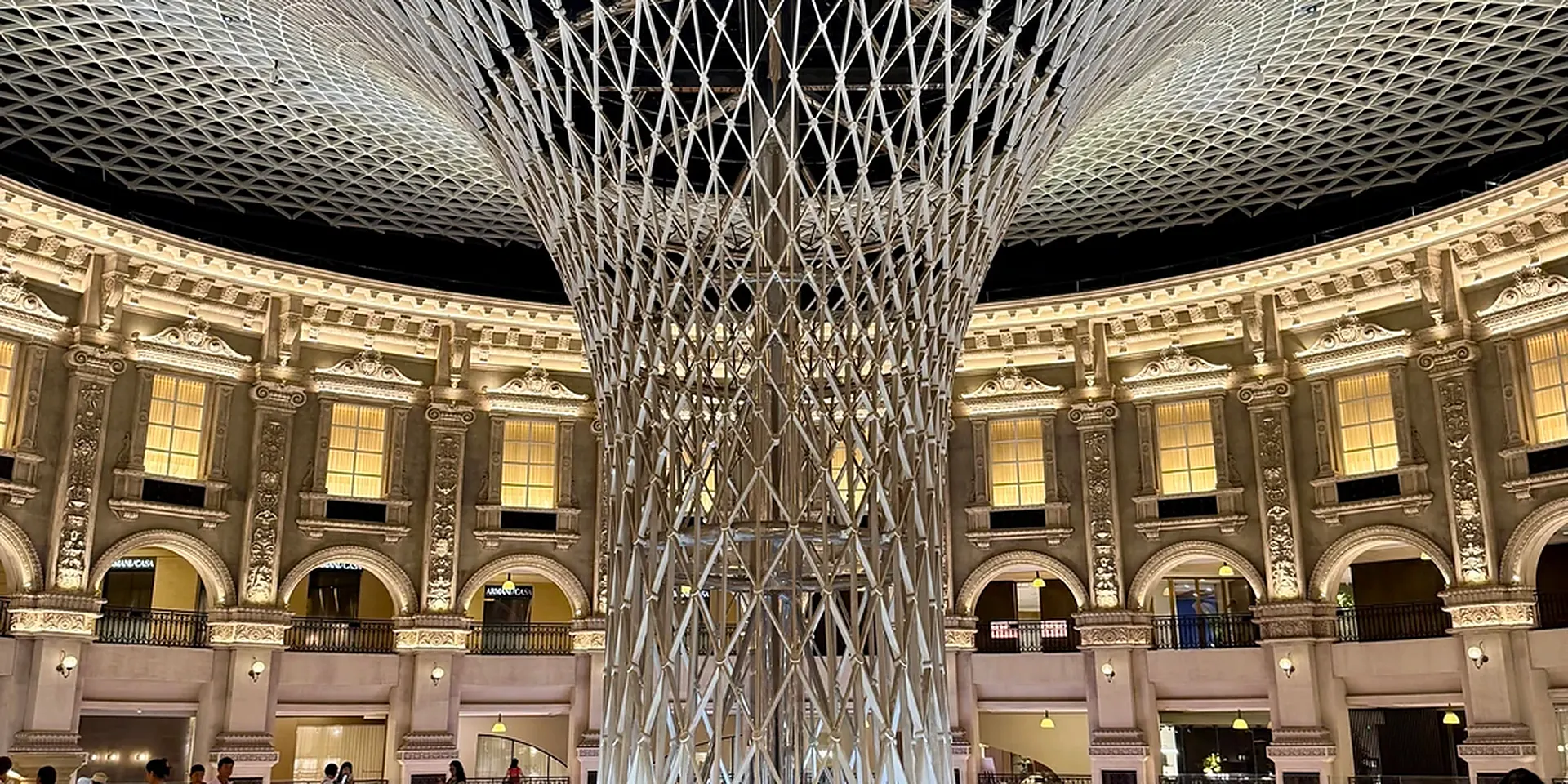
Foshan Furniture Market Trip Guide 2026: Lecong, Louvre, Sunlink & Longjiang, How Many Days, Getting There, and a No-Commission Interpreter
Foshan's furniture market is mainly Lecong, a Shunde town with 180+ malls (the market's own count) around the Louvre International Furniture Exhibition Center, plus Longjiang, the production town about 14 km south. Plan one day per room or category, two to three days for a whole home, and a day per factory district. China Travel X provides a private car, driver and bilingual escort by the day. You choose the malls and factories; we take no commission and are not a sourcing agent.
CIFF Guangzhou 2027 + Foshan Factory Day: Gap Week Logistics for Buying Groups
CIFF Guangzhou 2027 runs 18–21 March (home furniture) and 28–31 March (office & commercial / CIFM). Use 22–27 March for a Foshan Lecong or factory day with coaches and bilingual hosts. China Travel X provides neutral ground logistics for buying groups—no shopping-stop commissions, not a sourcing agent. Confirm dates on ciff-gz.com.
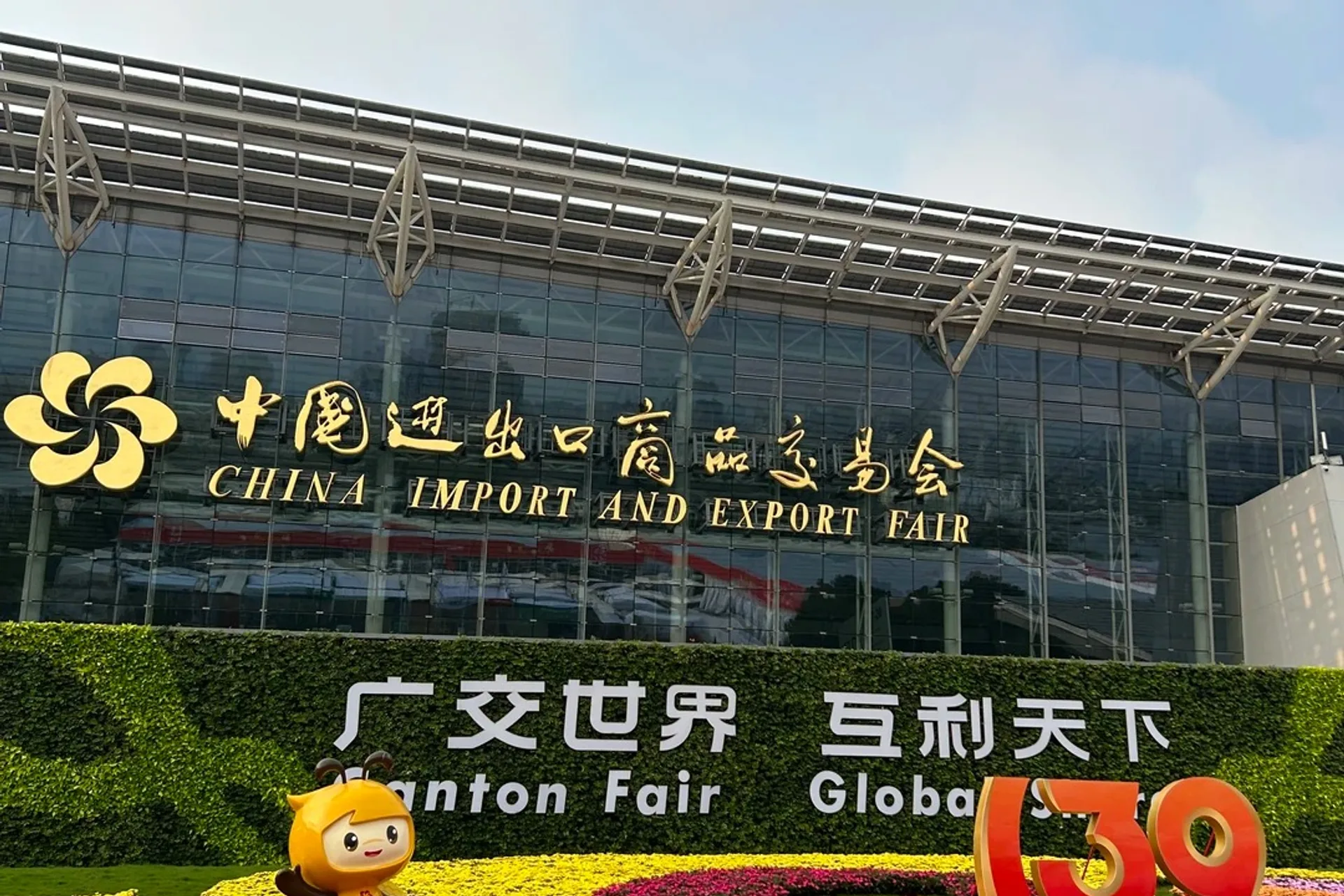
Canton Fair 2026 Buyer Travel Playbook: Pazhou Hotels, Transfers & Shenzhen Add-on
International buyers attending one phase of the 140th Canton Fair (Autumn 2026) at Guangzhou’s Pazhou complex use this playbook for Pazhou vs Tianhe hotels, Line 8 / shuttle / private-car logic, factory-day pacing, and a Guangzhou–Shenzhen add-on—not another dates-and-badge recap. China Travel X designs private custom ground days with no shopping-stop tours and can arrange flights and hotels as part of the journey.
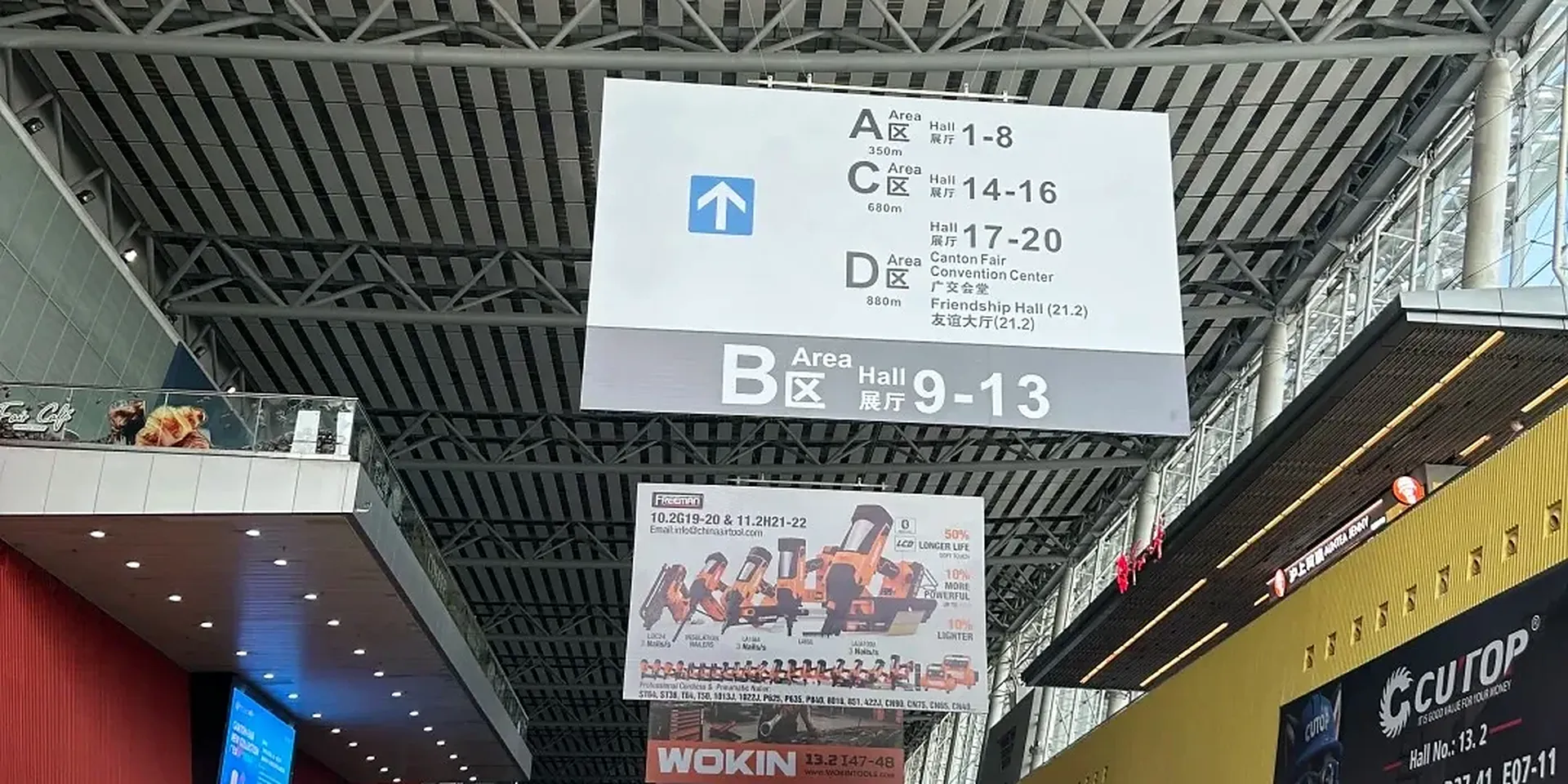
Canton Fair Interpreter & Assistant Badge 2026 (140th): Who Can Enter With You, What It Costs, and the 2-Day Filing Rule
A Canton Fair interpreter or assistant enters the halls only on a paid accompanying badge that the overseas buyer files. For the 140th session: one interpreter and one assistant per buyer per phase, RMB 300 per day plus RMB 50, and filing at least 2 days before each visit day (15 Oct entry means filing by 13 Oct). Travel, dinners, factory visits, and interval days need no fair badge; that outside-the-halls work is what China Travel X provides.
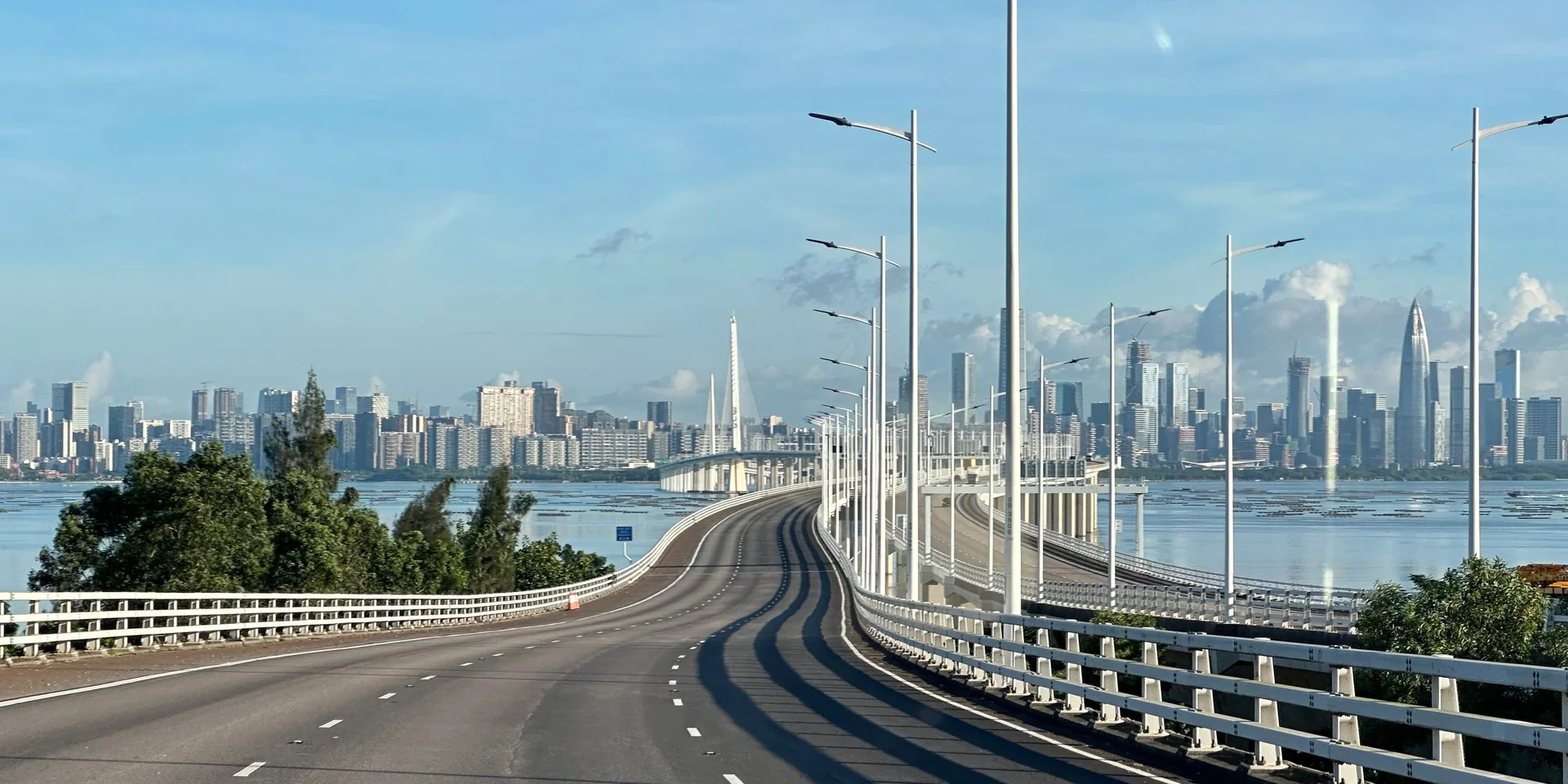
Pearl River Delta Sourcing Trip: A Realistic 4-Day China Sourcing Itinerary (GZ → Foshan → Dongguan → Shenzhen)
A Pearl River Delta sourcing trip works when meetings follow East Bank electronics density and West Bank equipment and appliances—not a tourist city checklist. China Travel X runs private vehicles, hotels, bilingual gate escort, and pacing across Guangzhou, Foshan, Dongguan, and Shenzhen. You or your agent bring the supplier list. Default is four days at about two serious visits a day. We do not discover plants, negotiate MOQ or price, score BSCI/Sedex, or run shopping-stop tours.
Frequently asked questions
What are the main furniture industrial belts in the Greater Bay Area?+
Is Lecong or Longjiang better for buying furniture?+
Can I visit Foshan and Dongguan furniture factories in one day?+
Should I spend one day or two days in the furniture belts?+
How do I know if a furniture showroom is the real factory?+
Planning updates by email
Seasonal route notes, permit reminders, and new guides—no booking spam.
Not sure which belt to start with?
Message WhatsApp (+86 177 2263 6816) with your product category, dates, headcount and any factory addresses you already have. We plan the car, driver and bilingual escort, confirm appointments in Chinese, and keep you on one side of the estuary per day. You choose the suppliers. No commission, no shopping stops. Pricing on request.