Shanghai–Suzhou–Hangzhou: A Jiangnan First Visit Without Shopping Stops
By Alex Chen
Published November 1, 2026 · Updated November 1, 2026

Planning a first Jiangnan visit?
Send your arrival city, dates, and party size. Say whether you want five tight days or seven with room to breathe.
Overview
A first Shanghai Suzhou Hangzhou itinerary is five to seven days: sleep in each city you care about, ride high-speed rail between them, and skip coach shopping stops. Shanghai keeps the gateway nights, Suzhou the garden evening, and Hangzhou a full West Lake day. Water towns stay optional. China Travel X plans this as a private custom trip or your own small group.
Key takeaways
- Five days is the classic triangle; seven days is the calm one. Under five, drop a city or accept day-trip fatigue. Eight-plus only if you add a water town or Qiandao Lake as its own block.
- Sleep where the evening matters. Bund and French Concession nights belong in Shanghai; Pingjiang after dark belongs in Suzhou; West Lake dusk belongs in Hangzhou Hubin — not in a late return to Shanghai.
- One idea per city. Bund and a museum strip in Shanghai; one major garden, a museum, and a canal walk in Suzhou; a shaped West Lake shore (not all ten scenes) plus tea hills or Lingyin in Hangzhou.
- December can be a mild window; Chinese New Year is not. Damp cold and fewer domestic coach groups in December and early January. Spring Festival 2027 starts around 6 February and fills trains and lakeshores — treat that week as a crush, not a bargain.
- Refuse the silk-and-tea showroom loop. A Jiangnan itinerary without shopping stops means the vehicle never parks at a designated factory shop while you just look.
Planning advice
12 min read
A clear Shanghai Suzhou Hangzhou itinerary for a first Jiangnan visit is five to seven days with overnight stays in each city you care about, high-speed rail between them, and no coach shopping stops. Give Shanghai the gateway nights, Suzhou the garden evening, and Hangzhou a full lakeside day — then leave water towns optional.
Jiangnan (江南, Jiāngnán — “south of the river”) is the Yangtze Delta strip where modern Shanghai, classical Suzhou gardens, and Hangzhou’s West Lake sit within a short high-speed rail triangle. Most first-timers try to “see everything” as three day trips from one Shanghai hotel. That works on a map and fails on the ground: you spend the best light on platforms, the gardens close while you are still on the train, and West Lake becomes a photograph from a bus window.
China Travel X builds private custom trips and small groups of your own, with no shopping stops. We can place rail tickets and hotels inside the journey when you want one conversation instead of three apps — we are not an OTA. This guide is the pacing logic we use before any quote.
Key Takeaways
- Five days is the classic triangle; seven days is the calm one. Under five, drop a city or accept day-trip fatigue. Eight-plus only if you add a water town or Qiandao Lake as its own block.
- Sleep where the evening matters. Bund and French Concession nights belong in Shanghai; Pingjiang after dark belongs in Suzhou; West Lake dusk belongs in Hangzhou Hubin — not in a late return to Shanghai.
- One idea per city. Bund and a museum strip in Shanghai; one major garden, a museum, and a canal walk in Suzhou; a shaped West Lake shore (not all ten scenes) plus tea hills or Lingyin in Hangzhou.
- December can be a mild window; Chinese New Year is not. Damp cold and fewer domestic coach groups in December and early January. Spring Festival 2027 starts around 6 February and fills trains and lakeshores — treat that week as a crush, not a bargain.
- Refuse the silk-and-tea showroom loop. A Jiangnan itinerary without shopping stops means the vehicle never parks at a designated factory shop while you “just look.”
When to go: mild December vs the CNY crush
Spring (March–April) and autumn (October–November) are the postcard months: gardens leaf out or turn, West Lake paths are pleasant, and those shoulders are also the comfortable months for walking the lake. Our China in March and April guide already frames Jiangnan as a spring option — this page is about how to route the three cities once you have chosen them.
December and early January are underrated for a private first visit if you dress for damp cold and river wind. Shanghai’s Bund is sharp in clear winter air; Hangzhou’s lakeside needs a warm layer and windproof shoes; you will not get spring blossom, but you often get shorter domestic coach queues than in Golden Week. Pair this with China in December: Harbin or south China if you are still choosing climate — Jiangnan is the mild east-China answer, not the ice festival.
Chinese New Year (Spring Festival) is the opposite problem. Lunar New Year 2027 falls on 6 February (Eve 5 February). The full mainland holiday block is set by the State Council each year — confirm the published dates before you lock hotels. In that window, Shanghai Old City, Suzhou’s top gardens, and West Lake shores run at crush density, and short-hop trains sell out. If your only dates sit on the holiday, plan longer museum mornings, earlier garden entries, and fewer optional add-ons — or shift a week.
Summer heat and humidity (roughly June–September) are workable with early starts and indoor blocks; typhoon and thunderstorm disruption is a real planning factor on the coast. National Day Golden Week (1–7 October) is the other nationwide crush — same advice as Chinese New Year: either embrace early slots or pick other dates.
For season-wide cost and holiday framing across China, see best time to visit China and private-trip cost.
How many days, and which city nights?
| Ground days | Shanghai nights | Suzhou nights | Hangzhou nights | Fit |
|---|---|---|---|---|
| 5 | 2 | 1 | 1–2* | Classic first triangle; one city feels abbreviated |
| 6 | 2 | 1–2 | 2 | Balanced; room for a slow lake afternoon |
| 7 | 2–3 | 1–2 | 2 | Relaxed; optional half-day water town or deeper tea hills — not both rushed |
On a strict 5-day count, many travelers take the last Hangzhou afternoon train back toward Shanghai for a departure flight. Sleeping the fifth night in Hangzhou is kinder if you fly out of Xiaoshan or can spare the morning.
Do not day-trip all three from Shanghai. Shanghai to Suzhou is a short hop (often about half an hour on high-speed rail from Hongqiao corridor stations), and Shanghai to Hangzhou is often under an hour to Hangzhou East — but “short on paper” still costs you garden opening hours and lake light. Suzhou to Hangzhou is commonly around an hour-plus depending on the train; check 12306 for your date. We do not publish live fares or last trains. Treat any third-party fare table as a snapshot.
Which nights to keep
- Shanghai (2 nights minimum for a first visit): Arrive, recover, Bund at dusk once, one full urban day. People’s Square / West Nanjing Road is the practical first-timer base (museums and metro). Yu Garden / Old City is atmospheric but holiday-crowded. Lujiazui is skyline-convenient and slower to the old city.
- Suzhou (at least 1 night): Gardens deserve morning entry; Pingjiang Road and the canals deserve evening without a luggage dash. One night is enough for a first visit; two if you add Tongli or a second garden at opening.
- Hangzhou (2 nights if you can): West Lake is a landscape, not a checkpoint. A serious first shore takes about 4–8 hours, and one day cannot cover every named scene. Hubin / east-lake stays put you on foot for dusk. Xixi is a different base for wetland days, not for a first Hubin evening.
If you only have time for Hangzhou or Suzhou as a day trip from Shanghai, pick one. A Hangzhou day trip can touch one lake shore and a tea hill. A Suzhou day trip can do one garden and a museum. Trying both as day trips from Shanghai is how a Jiangnan itinerary becomes a blur.
Sample flow: 5 days tight, 7 days breathing
Five days (classic, still private)
- Shanghai — arrive. Airport or Hongqiao to the hotel. Bund walk at dusk if energy allows; dinner in the concession lanes, not a forced show.
- Shanghai — city strip. Shanghai Museum (confirm which building is open for your ticket), a French Concession / Wukang wander, Yu Garden as the ticketed garden — leave time to exit before the bazaar circuit eats the afternoon. Evening free.
- Shanghai to Suzhou. Morning train; Humble Administrator’s Garden or Lingering Garden at a timed slot; Suzhou Museum; check in; Pingjiang after dark.
- Suzhou to Hangzhou. Optional short second garden or canal walk early; train to Hangzhou East; Hubin check-in; West Lake shore at golden hour (one causeway or lakeside path — one arc, not a checklist).
- Hangzhou — lake morning, then out. Shape a morning: lake and Longjing hills, or Lingyin / Feilai Peak (reservation culture is common — verify live), then rail or an airport transfer. If you fly Pudong the same evening, build a real transfer buffer. PVG is not next to Hangzhou.
Seven days (the version we prefer)
Keep the five-day spine, then:
- Add a second Shanghai half-day (a planning exhibition, quieter concession streets, or a skyline view only if visibility is good — Oriental Pearl and the towers are weather-sensitive).
- Give Hangzhou a full second day: finish the lake arc you skipped, or swap in a compact Grand Canal cluster (Gongchen / Qiaoxi style — one neighbourhood, not the whole corridor), or Xixi if you want wetland over more lakeside temples.
- Keep one optional water town half-day (Tongli from Suzhou is the usual light touch). Wuzhen overnight is a different trip shape. It is not required for a first Jiangnan visit.
Everywhere, lunch is a restaurant you chose. If a quote includes a “silk demonstration,” “tea ceremony showroom,” or “pearl farm” with a coach wait, read our guide to avoiding shopping-stop tours before you pay.
West Lake vs Suzhou gardens vs the Bund — what each city is for
Think of the triangle as three different verbs.
Shanghai is the threshold. The Bund (外滩, Wàitān) is a waterfront reading of treaty-port façades against Pudong glass — best at late afternoon into evening, not as a ten-minute photo stop between shops. Pair it with one indoor cultural block (a museum) and one walkable neighbourhood. Yu Garden (豫园, Yùyuán) is a classical garden that happens to sit inside a tourist bazaar; buy the garden ticket and decide separately whether you care about the surrounding lanes. Shanghai is also where most long-haul flights land (Pudong or Hongqiao). Plan cross-city transfers by real travel time, not straight-line distance.
Suzhou is the indoor–outdoor craft of space. UNESCO classical gardens (Humble Administrator’s, Lingering, Master of the Nets, Lion Grove — pick one major garden for a first morning) are about borrowed views, corridors, and rockery, not about rushing three ticket gates. Suzhou Museum sits well beside a garden morning. Pingjiang Road and the canal grid are for unhurried evening walking. Skip the pattern where a driver “must” stop at a silk embroidery showroom between garden and lunch.

Hangzhou is landscape time. West Lake (西湖, Xīhú) is a cultural landscape of causeways, hills, temples, and shoreline. The open lakeside public space is largely free, while boats, Leifeng Pagoda, and many interiors are separate products. Build a shore route. Do not chase every poetic scene in one day.

Tea hills above the lake and Lingyin Temple (灵隐寺, Língyǐn) are the usual second beats; both repay an unhurried morning. Qiandao Lake is a different destination in Chun’an — add it only with a dedicated overnight, never as a Hangzhou city afternoon.
Christmas lights and Bund markets are a seasonal Shanghai add-on, not this itinerary’s core. See Christmas in Shanghai 2026 if your dates sit on late December evenings.
Practical notes: rail, visas, apps, eSIM
High-speed rail is the spine. Use Hongqiao for many Suzhou and Hangzhou departures when you are already on the west side of Shanghai. Hangzhou East is the usual Hangzhou hub for this triangle. Station names matter (Shanghai Station vs Hongqiao vs Hangzhou vs Hangzhou East). Keep a passport ready for ticket checks. Peak holiday days deserve advance booking even on frequent corridors.
Visas and entry change by nationality and policy window. Start from our visa and entry page and your embassy, not from a blog table. First-trip orientation sits under plan a first trip to China and how many days in China.
Payments and connectivity. Set up Alipay or WeChat Pay and a working data plan before you need them at a garden gate. See Alipay, WeChat Pay and eSIM setup. On China Travel X private journeys, complimentary eSIM options are typically 10 days / 3 GB or 15 days / 5 GB (confirm in your trip notes).
Private car vs metro. Inside Shanghai and Hangzhou, the metro covers a lot. A driver earns their keep for garden timing, luggage hops between cities, and evening returns when you are tired. Suzhou gardens are easier with a car for the first morning slot. None of that requires a shopping-stop itinerary. See also private China tour vs group.
Maps and translation. Offline maps, a translation app, and hotel cards with Chinese addresses still beat improvisation when a ride-hailing pin drifts.
For a China-wide destination hub, start at China. There is no separate English Jiangnan destination page yet. This guide is the routing layer. A Beijing–Xi’an–Shanghai first week is a different shape: classic China first trip.
Plan this as a private Jiangnan journey
A good Shanghai–Suzhou–Hangzhou itinerary is less about collecting names and more about protecting evenings: Bund light, Suzhou canals, West Lake dusk. Five days proves the triangle. Seven days lets you walk without watching the clock. Water towns and Qiandao Lake are elective chapters, not obligations.
If you want this paced as a private custom trip or your own small group, with rail and hotels folded into one plan and no shopping stops, tell us your arrival city, dates, and how many travelers. We reply on WhatsApp +86 177 2263 6816. Email g9355080@gmail.com works when WhatsApp is awkward. Start on Plan or message us with “Jiangnan 5–7 days” and your constraints. Pricing is on request. This is not an OTA checkout.
Last Updated
1 November 2026 (Asia/Shanghai). Rail times in this guide are corridor norms, not a stored timetable — check 12306 for your date. Lunar New Year 2027 falls on 6 February (Eve 5 February). The full mainland holiday block is set by the State Council each year and may still be unpublished; confirm it before you lock hotels. Garden, museum, and temple tickets, boat products, and holiday road controls around West Lake should be re-checked close to travel. This page does not publish fixed rail fares or a package price.
Sources
- 12306 — live high-speed times and fares for Shanghai, Suzhou, and Hangzhou. This guide does not store them.
- China Travel X, China in March and April, China in December: Harbin or south China, Best time to visit China and private trip cost, How to avoid shopping-stop tours, How many days in China, Private China tour vs group tour, Alipay, WeChat Pay and eSIM, Christmas in Shanghai 2026
- Plan a trip, visa and entry, first trip to China, China hub
- Photographs on this page were supplied by the site owner for China Travel X: Pudong at dusk, a Jiangnan canal town, and West Lake in autumn.
Related destination
Explore the regional hub for practical info, seasons, and more guides.
Explore journeys
Sample routes to spark ideas. Every trip is customized—these are not fixed packages.
Related guides

Where to Go in China in Spring (March–April)
For March and April, the strongest places in China are Yunnan’s highland circuit, Jiangnan around Hangzhou and Suzhou, cherry cities from Wuhan and Wuxi to Beijing, and—for gold fields or peonies—Wuyuan or Luoyang. Plan around Qingming and keep 1–5 May off the trip. China Travel X: private custom, small groups, no shopping stops.
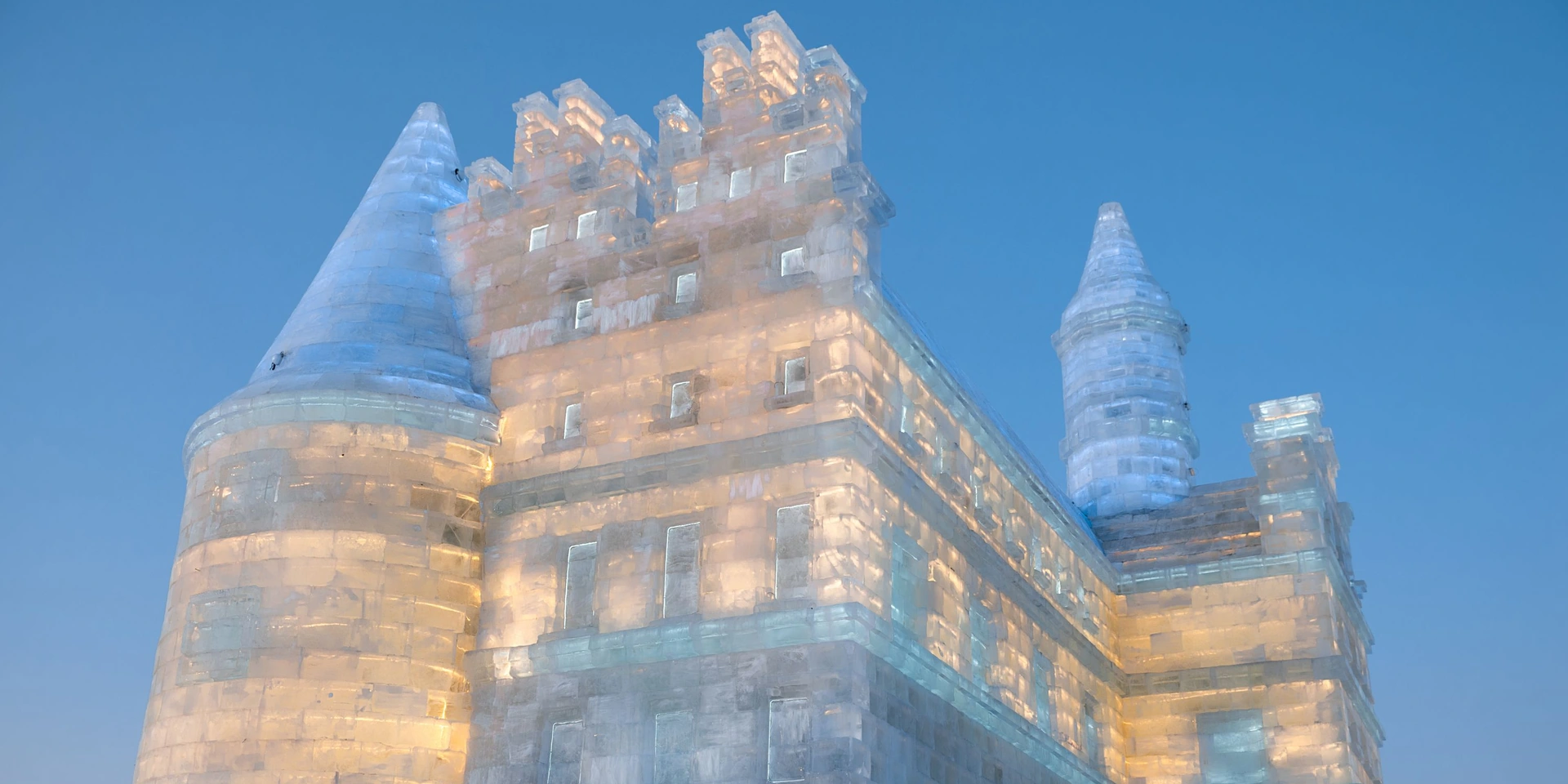
China in December and January: Harbin Ice or a Warm Christmas in the South
Pick one climate. Harbin for the ice: the Ice and Snow World opened 17 Dec last season (2026–27 date not yet announced), the festival opens 5 Jan, and highs sit near −10 °C. Guangzhou, Shenzhen, and Hong Kong for a mild Christmas: Hong Kong averages about 20 °C, and 25–26 Dec are public holidays there. With small children, go south. The 30-day visa-free entry for 48 countries runs to 31 Dec 2026. China Travel X: private custom, small groups, no forced shopping stops; pricing on request.
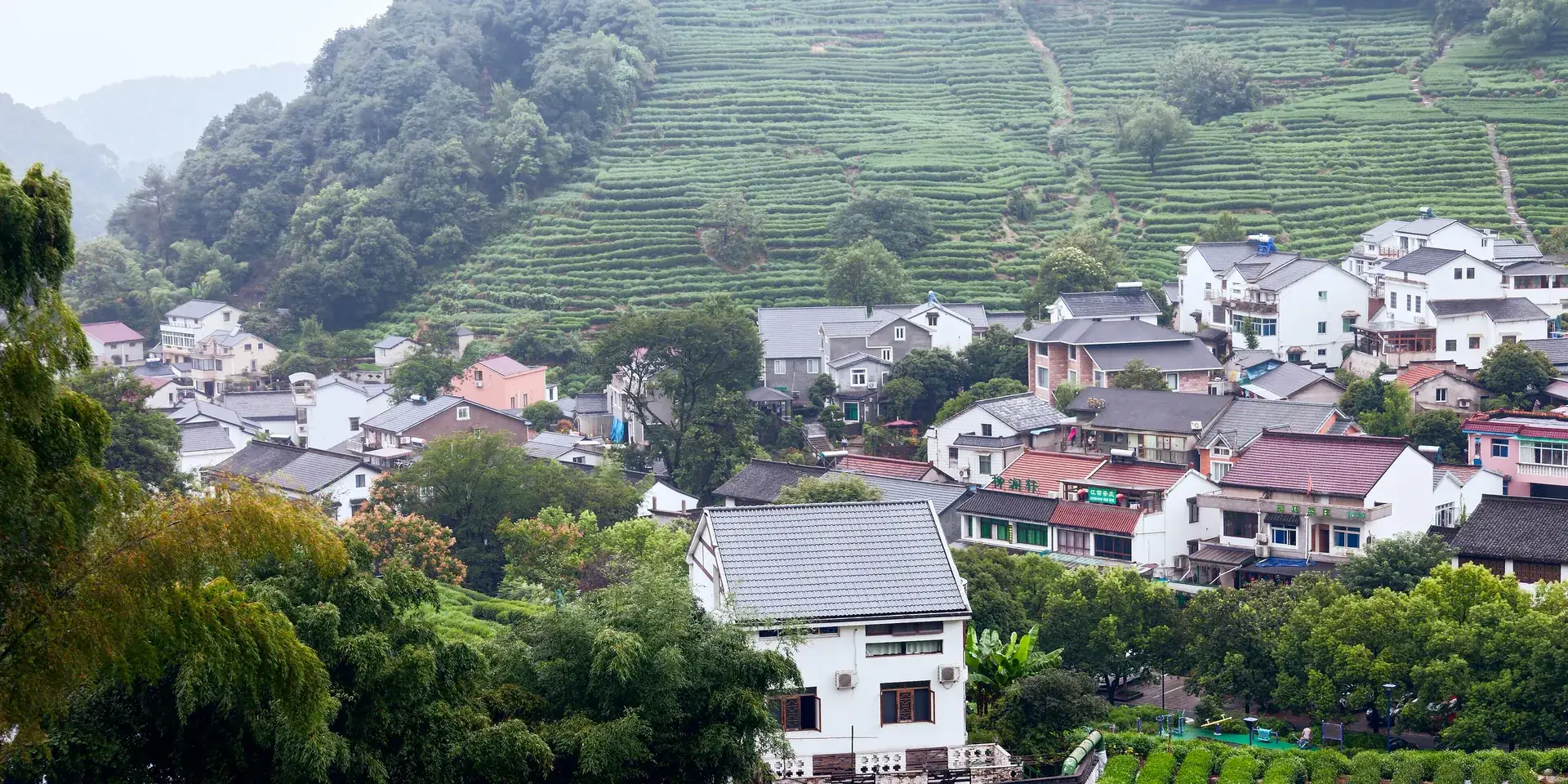
How to Avoid Shopping-Stop Tours in China: Red Flags, Questions to Ask and a First Trip Without Them
To avoid shopping-stop tours in China, get every stop named in writing, a clear no-designated-shops line, and a price that can cover hotels, tickets, a licensed guide and a driver. Cheap join-in tours often earn from jade, silk, tea, pearl and medicine showrooms, compulsory daily tips around US$15–20, and paid extras. China's Tourism Law Article 35 bans this model. China Travel X: private custom trips, small groups, no shopping stops.
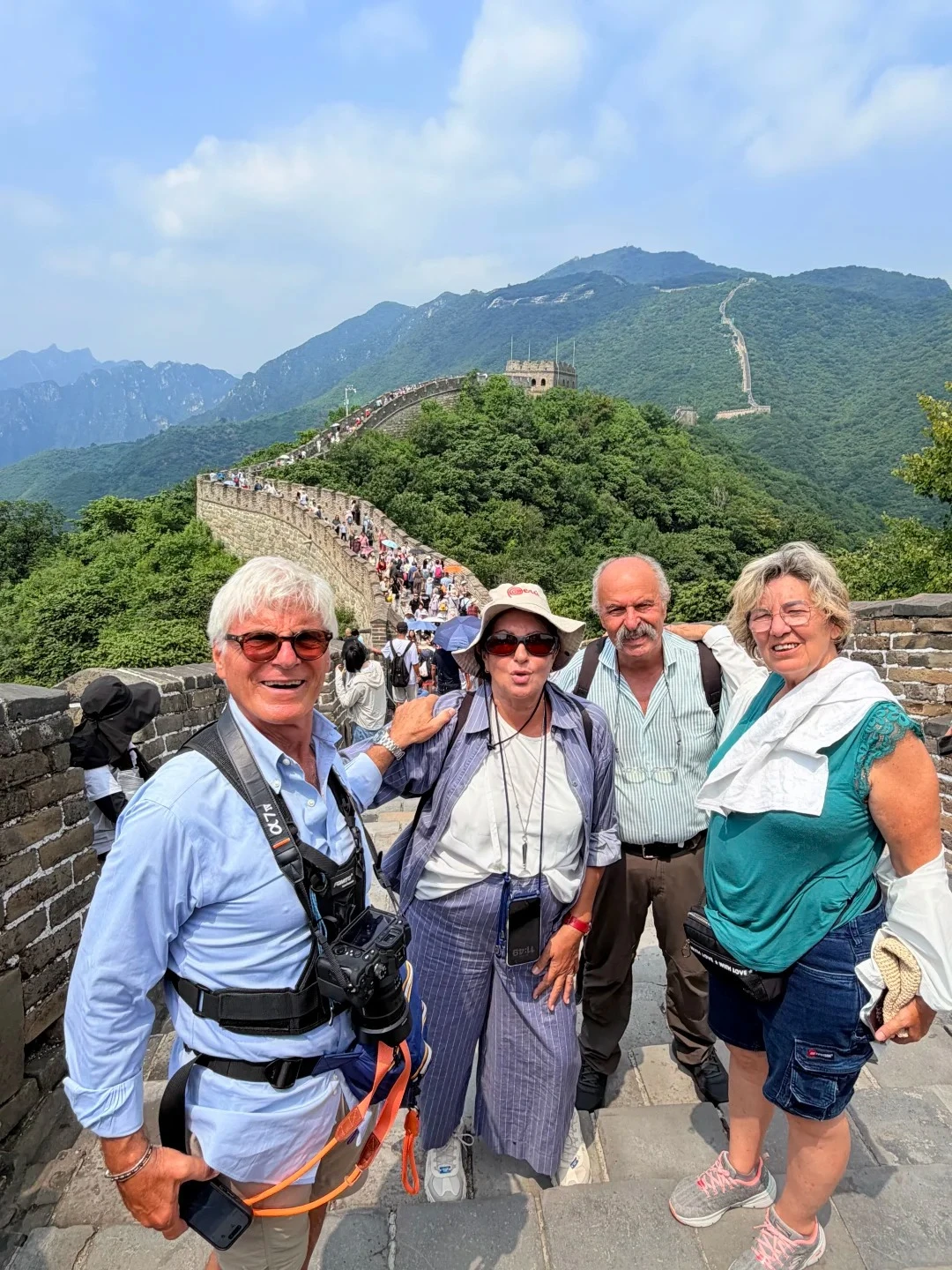
How Many Days Do You Need in China? 7, 10 & 14-Day Private Routes
For a first trip to China, 10–14 days on the ground is the sweet spot. Seven days works for two cities; 21 days is a deep regional add-on, not “see everything.” Private 7/10/14-day routes cover Beijing–Xi’an–Shanghai plus optional Chengdu or Zhangjiajie. Private custom or small groups, no shopping-stop tours, $180–$380 pp/day (2–6 pax). Confirm visa-free rules on the National Immigration Administration.
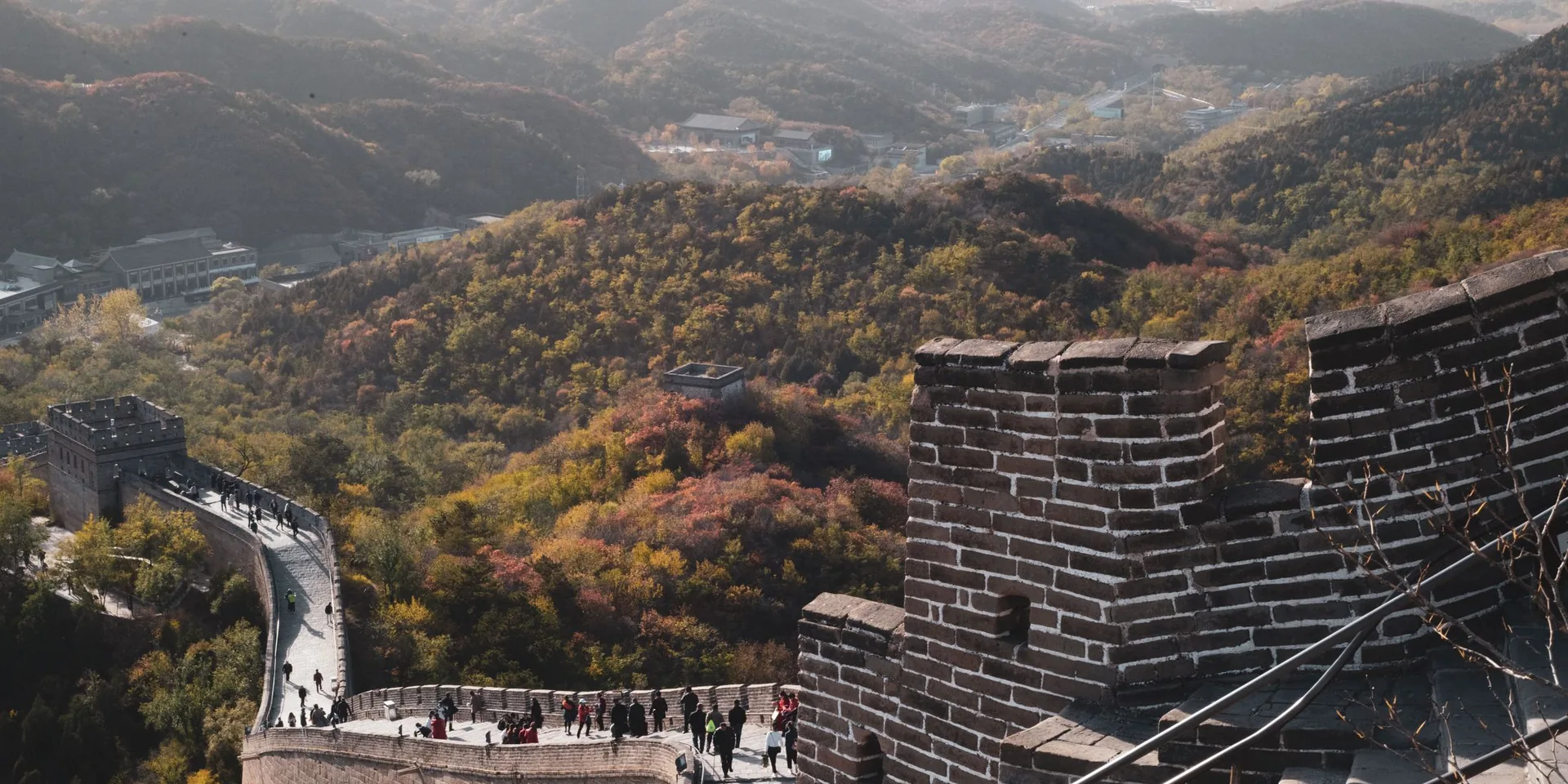
Private China Tour vs Group Tour: What You Actually Pay For
A private China tour buys your own vehicle, a named escort, and hours on the ground. A group tour sells a seat — and many cheap coaches rebuild the fare at jade, silk, tea, or pearl stops. Ask who is with you (guide, driver, bilingual escort, industry interpreter, or a licensed Tibet guide), not a shopping escort. China Travel X: private custom, small groups, no forced shopping stops; pricing on request.
Planning updates by email
Seasonal route notes, permit reminders, and new guides—no booking spam.
Planning a first Jiangnan visit?
Message WhatsApp (+86 177 2263 6816) with your arrival city, dates, and how many travelers. Private custom or your own small group. No shopping stops. Rail and hotels can sit inside the journey. Pricing on request. Email g9355080@gmail.com if WhatsApp is awkward. You can also start at Plan.