How to Avoid Shopping-Stop Tours in China: Red Flags, Questions to Ask and a First Trip Without Them
By Alex Chen
Published October 16, 2026 · Updated October 16, 2026

Ready to plan your trip?
WhatsApp, email, or our trip inquiry form—usually within 24 hours.
Overview
To avoid shopping-stop tours in China, get every stop named in writing, a clear no-designated-shops line, and a price that can cover hotels, tickets, a licensed guide and a driver. Cheap join-in tours often earn from jade, silk, tea, pearl and medicine showrooms, compulsory daily tips around US$15–20, and paid extras. China's Tourism Law Article 35 bans this model. China Travel X: private custom trips, small groups, no shopping stops.
Key takeaways
- A package priced below its own costs is paid for somewhere else: showroom commission, paid optional activities and a compulsory daily tip.
- "No forced shopping" is not "no shopping stops". Ask if the vehicle parks at any shop at all, and if people who stay outside still wait.
- Article 35 of China's Tourism Law bars low-price tours funded by shop kickbacks; travellers can ask the agency to handle returns within 30 days after the trip.
- Get the itinerary as a contract: every stop, every ticket by name, hotel addresses, the guide's role and the tip policy, before any deposit.
- A no-shopping first trip is easy: Beijing, Xi'an and Shanghai in 7 to 10 days by high-speed train, one sight block a morning, markets only when you ask.
Planning advice
14 min read
To avoid shopping-stop tours in China, read the quote for three things before you pay: a list of every place the vehicle parks, a written line saying there are no designated shops, and a price that can honestly cover hotels, tickets, a licensed guide and a driver. If any of the three is missing, the shop is probably paying part of your holiday. A private trip or your own small group, with stops written into the contract, is the most reliable way out.
It is 15:40 in a car park on the edge of a city you came to see. The coach has been idling for twenty minutes outside a building with no name on the front, only a banner about jade. Half the group is inside, being shown the difference between real and fake stones under a torch. The other half is on the bus, because the guide said the next sight opens "after this short visit". Nobody on board booked this stop. All of them paid for it.
This guide explains how that afternoon gets built into a cheap package, how to spot it on paper, what to ask before you book, and what a first trip to China looks like without it. China Travel X plans private custom trips and small groups of your own, with no shopping stops, so we have a side in this. Everything below is still useful if you book with someone else.
Key Takeaways
- A package priced below its own costs is paid for somewhere else. On budget join-in tours that usually means commission from jade, silk, tea, pearl or traditional-medicine showrooms, paid "optional" activities, and a daily tip collected in cash.
- "No forced shopping" is not the same as "no shopping stops". Ask if the vehicle parks at any shop, tea house or showroom at all, and if people who stay outside still have to wait.
- Chinese law is on your side. Article 35 of the Tourism Law bars agencies from luring travellers with unreasonably low prices and earning kickbacks from shops. If it happens, you can ask the agency to handle returns within 30 days after the tour ends.
- Get the itinerary as a contract, not a brochure. Every stop, every included ticket, the hotel names and addresses, the guide's role, and what tips are expected should be in writing before you pay a deposit.
- A no-shopping first trip is easy to build. Beijing, Xi'an and Shanghai in 7 to 10 days, one sight block per morning, lunch you chose, and markets only when you ask for them.
How a cheap join-in tour makes its money
A sightseeing day in China has a floor. Somebody has to pay for the room, the entry tickets, a licensed guide, a driver, fuel, tolls and parking. When a package is sold under that floor, the operator is not losing money on purpose. The margin has moved off the price tag and into the day itself. There are four places it usually goes.
1. The showroom stops
The classic set is jade, silk, tea, pearls and a traditional Chinese medicine clinic, sometimes with latex pillows, lacquerware or cloisonné added on routes in the south and east. Each one follows a script. A short "factory tour" or "culture lesson" comes first: how cocoons are unwound, how to tell nephrite from glass, how to brew a cup of oolong. Then the doors open into a sales floor, the prices are high, and a salesperson stays close.
The shop, or the wholesaler behind it, pays the agency or the guide a share of what the group spends. On some budget routes that share is what keeps the coach running. A group that buys nothing is a problem for the guide, which is why the stops can grow longer, the pitch can turn personal, and the next sight can somehow open "a bit later today".

2. The daily tip
Many budget quotes have a line near the bottom: a compulsory "service fee" or "tipping" charge per person per day, often around US$15 to 20, paid in cash to the guide on arrival. On a 14-day tour that is roughly US$210 to 280 a person that was never in the headline price. Tipping a guide who did a good job is normal and kind. A tip that is collected on day one, whatever happens next, is part of the fare.
3. "Optional" activities
An evening acrobatics show, a Tang dynasty dinner, a river cruise, a rickshaw ride through a hutong. These are real things, and some are good. On a low-cost package they are sold on the bus at a price well above the box office, and the itinerary is quietly built so that there is little else to do that evening. If you sit it out, you may wait in a lobby or a car park while the others go.
4. The hotel and the clock
Cheap tours often sleep in hotels far from the centre, where rooms cost less. The drive in each morning eats an hour, and it also means you cannot walk out at night and find dinner yourself. Long transfer days with several cities strung together leave little time for sightseeing and a lot of time on the coach, which is exactly where the next shop is announced.

Red flags in a China tour quote
You can find most shopping tours from your sofa. Put the quote next to this list.
- The price per day is lower than a hotel room in the same cities. Our trip cost guide lists what rooms, guides, cars and tickets cost in 2026. If the whole package costs less than its parts, ask where the rest comes from.
- Stops are described, not named. "Visit a local silk factory", "experience a traditional tea ceremony", "learn about jade culture", "a visit to a TCM institute". These are the showrooms.
- Many cities, few nights. Nine cities in 14 days means a transfer almost every day. Shops sit on transfer routes because the coach has to stop somewhere.
- Tips or service fees listed as compulsory, or a line saying they are "paid locally to the guide".
- A long menu of optional extras with prices but no times, or a free evening that is not really free.
- Hotels listed as "or similar" with no address, or rated by the operator's own star system.
- No contract, only a PDF brochure, and a deposit asked for by bank transfer to a personal account.
- "No forced shopping" in the small print. It often means the stops happen and buying is up to you.
None of these proves a tour is bad on its own. Three or four together almost always do.
Questions to ask before you book
Send these in writing and keep the answers. A good operator will answer every one in a single email. An evasive reply is an answer too.
- Will the vehicle stop at any shop, showroom, tea house, factory outlet or clinic that is not a public museum or a sight I asked for? Yes or no.
- If a stop is "optional", where do the people who do not go in spend that time?
- What is every place we park, day by day, with approximate times?
- Which entry tickets are included, by name? "Main sights" is not a list.
- What are the hotel names and street addresses?
- Is the guide licensed, and is their fee in the price? In China a licensed guide carries a 导游证 (guide card).
- Are tips or service fees required, how much, and who collects them?
- What is not included that most people end up paying for? Shows, cable cars, park buses, lunches.
- Will anyone earn a commission if I buy something? The only good answer is no.
- Can I see the contract before I pay a deposit, and what is the refund policy?
If you are comparing two offers, ask both operators the same ten questions and put the answers side by side. The cheaper quote often stops being cheaper by question 7.

What Chinese law says about shopping stops
China's Tourism Law, in force since 2013 and amended in 2018, deals with this directly in Article 35. Travel agencies may not organise tours at unreasonably low prices to lure travellers and then take kickbacks through arranged shopping or extra paid activities. They may not designate specific shops or add paid extras unless both sides agreed, or the traveller asked, and other travellers' plans are not affected.
If a tour breaks those rules, the traveller can ask the agency, within 30 days after the trip ends, to handle the return of goods and advance the refund, or to refund the paid extras. Article 41 adds that guides and tour leaders must not induce, cheat or force travellers into shopping or paid extras, including in disguised ways. Fines for agencies under the law run from CNY 30,000 to 300,000, and licences can be revoked.
In practice this means three things for you. Keep receipts and photos of anything you buy. Note the shop's name and the date. And if you feel pushed during the trip, you can call China's national tourism service hotline, 12301, or tell the guide calmly that you would like to go straight to the next sight in the contract.
A first-time China itinerary without shopping stops
Most first trips land on the same three cities, for good reason. Here is how a 9-day version runs when nothing on it is for sale. For the day count and the alternatives, see how many days in China.
| Days | City | What fills the day | Where a shop would have been |
|---|---|---|---|
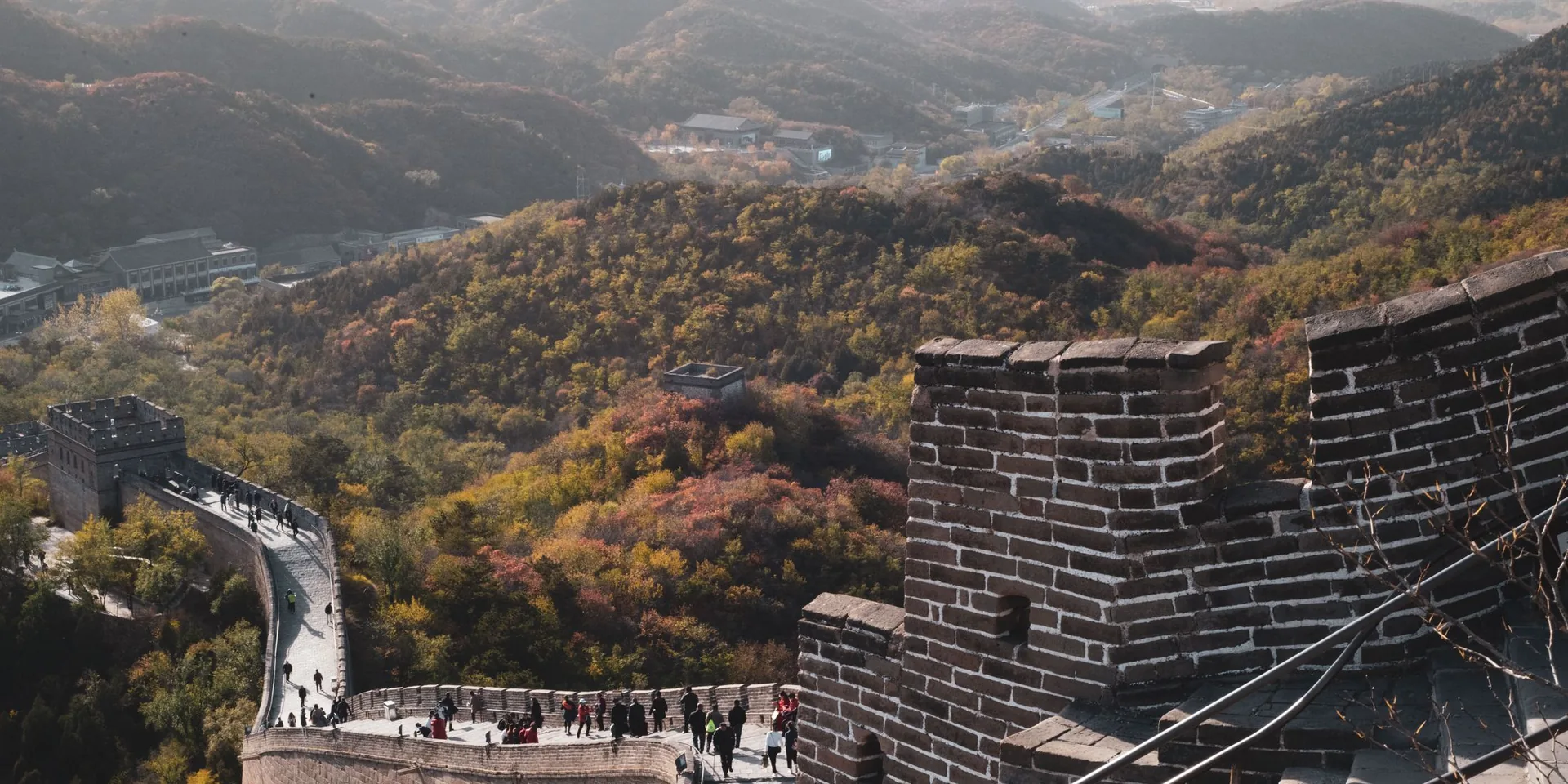
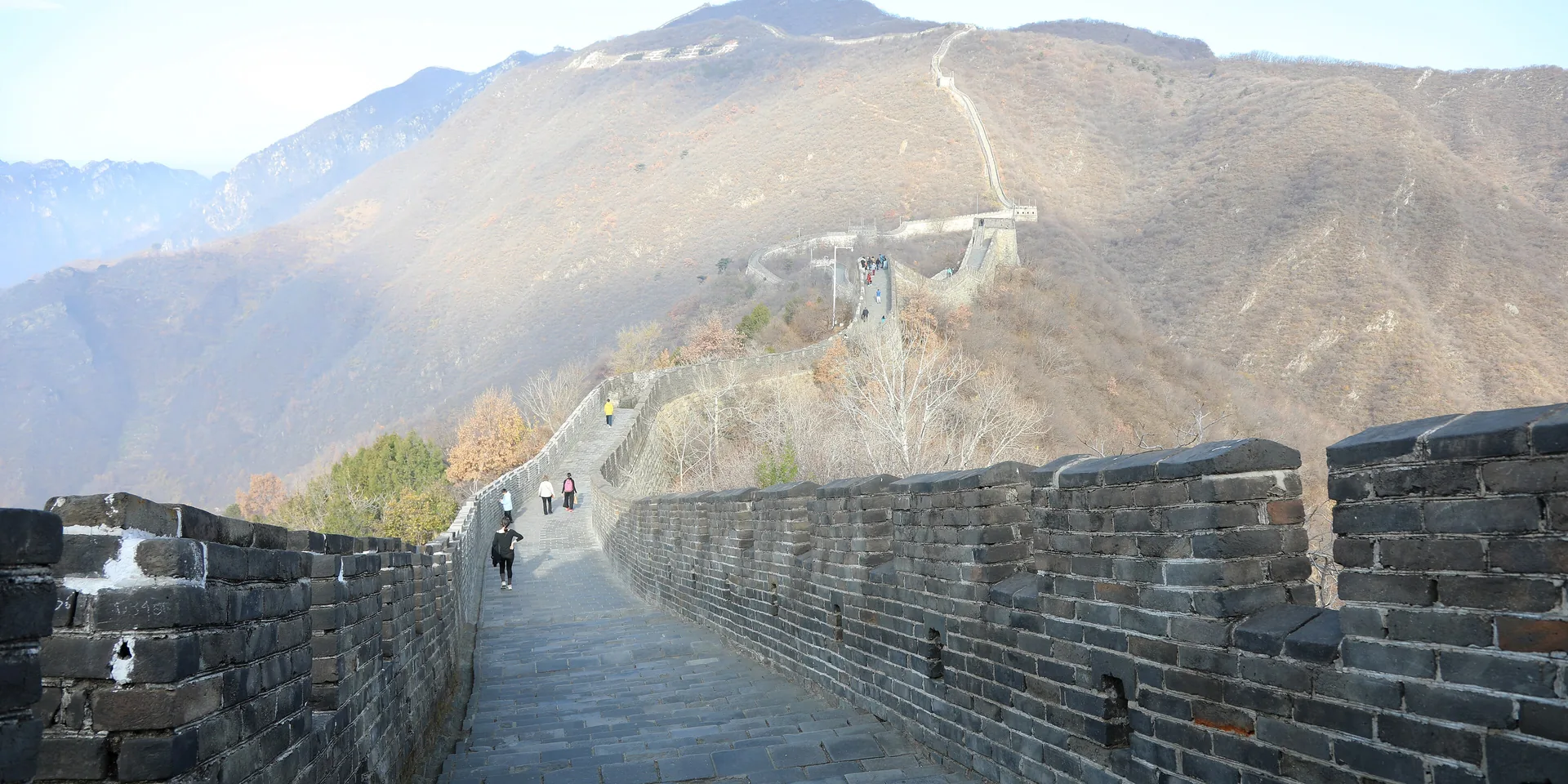
| 1–4 | Beijing | Forbidden City at opening, Jingshan Park for the view, a hutong walk; Mutianyu Great Wall on a weekday; Temple of Heaven early with the morning exercisers | Jade showroom on the Great Wall road; TCM "foot massage" on the way back |
| 5–6 | Xi'an | Terracotta Army in the morning, city wall by bike in the late afternoon, Muslim Quarter for dinner | Terracotta replica factory; "Tang dynasty" dinner show sold on the bus |
| 7–9 | Shanghai | The Bund and Yu Garden early, a day trip to a water town such as Zhujiajiao, the French Concession on foot | Silk factory on the road to the water town; pearl shop near Yu Garden |
Between Beijing and Xi'an, and Xi'an and Shanghai, you take the high-speed train or a short flight. Nobody stops a train at a jade shop.
The pattern on each day is the same. One sight block in the morning, before the crowds. Lunch somewhere you picked, or somewhere your guide eats. An afternoon with room in it: a park, a museum, a nap. If you want to buy tea, you buy it at a tea farm or a shop you chose, and nobody gets a cut.

If you want to shop
Shopping in China can be one of the best parts of a trip. Silk scarves in Hangzhou, Longjing tea from the villages above West Lake, a seal carved with your name in Xi'an, pearls in a wholesale market if you know what you are doing. The difference is who decides. On a private day you say "we would like an hour at a tea farm", and the guide finds one. You are the client, not the commission.
What a no-shopping private tour costs and looks like
A private tour costs more than a coach seat on paper, because the price has to cover the whole day: your own vehicle and driver, a licensed guide or bilingual escort, the tickets, and hotels in the centre. Nothing is being recovered later at a showroom.
As a planning range from our cost guide, a 10-day private trip for two people sharing runs about CNY 11,100–22,300 per person (about USD 1,650–3,350) at a comfortable 4-star level, excluding international flights. The price per person falls as the group grows, because the car and the guide are shared. Your own group of 15 or 20 people, travelling together on one coach with one guide, often lands close to a reputable shared tour, with none of the stops.
What you get for that money, on a trip we plan:
- A written day-by-day plan that names every stop. There are no showrooms on it.
- Your own vehicle and guide, on your clock. Start at 07:30 for the Wall, or sleep in.
- Central hotels by name, so you can walk out after dinner.
- Included tickets listed by name, booked with your passport where China requires real-name entry.
- No compulsory tips. Tipping your guide or driver is your choice, and so is the amount.
- A complimentary eSIM (10 days / 3 GB or 15 days / 5 GB) so maps and messages work on landing.
If you are still deciding between your own trip and a group, our comparison of private and group China tours goes through the escort roles and what each one costs.
FAQ
How do I know if a China tour has shopping stops?
Look at how the stops are described. If the quote says "silk factory", "jade culture centre", "tea ceremony" or "TCM institute" without a museum or sight name, those are almost certainly showrooms. Then ask the operator in writing if the vehicle will park at any shop, showroom or tea house. A clear "no", written into the contract, is the only answer that counts.
Are shopping stops illegal in China?
Not entirely. Article 35 of China's Tourism Law bans luring travellers with unreasonably low prices and earning kickbacks from arranged shopping, and bans designated shops unless both sides agree or the traveller asks. A shop visit you requested is legal. A shop visit used to fund a below-cost tour is not, and you can ask the agency to handle returns within 30 days after the trip.
Can I refuse to go into a shop on a group tour?
Yes. You can stay outside, and nobody can make you buy. The catch is time: on many tours the coach still waits, so you lose the stop either way. That is why it matters to ask before booking if the vehicle parks at shops at all, not only if buying is optional.
Do I have to tip guides in China?
Tipping is not traditional in China and is not required by law. Some budget tours make a daily "service fee" compulsory, often around US$15 to 20 per person per day. On a tour with no such line, a tip for a guide or driver who did a good job is welcome and entirely your choice.
What is the best first-time China itinerary without shopping stops?
For 7 to 10 days, Beijing, Xi'an and Shanghai, linked by high-speed train. Spend three or four nights in Beijing, two in Xi'an and three in Shanghai, with one sight block each morning and free afternoons. Booked as a private trip with every stop named in the contract, it has no showrooms on it at all.
Last Updated
16 October 2026 (Asia/Shanghai). Legal references were checked against the English and Chinese text of the Tourism Law of the People's Republic of China (2018 amendment). The daily tip range and the shop types are what budget China packages commonly list; individual tours vary. Trip costs are planning ranges, not a China Travel X price list. Pricing on request.
Sources
- Tourism Law of the People's Republic of China (2013, amended 2018), Articles 35, 41 and 98
- Ministry of Culture and Tourism, national tourism service hotline 12301
- China Travel X, best time to visit China and private trip costs (2026 cost ranges)
- Image credits: Niklas Dougherty, Caitriana Nicholson, Windmemories, Daniel Case and N509FZ via Wikimedia Commons
Related destination
Explore the regional hub for practical info, seasons, and more guides.
Related guides
Private China Tour vs Group Tour: What You Actually Pay For
A private China tour buys your own vehicle, a named escort, and hours on the ground. A group tour sells a seat — and many cheap coaches rebuild the fare at jade, silk, tea, or pearl stops. Ask who is with you (guide, driver, bilingual escort, industry interpreter, or a licensed Tibet guide), not a shopping escort. China Travel X: private custom, small groups, no forced shopping stops; pricing on request.
How Many Days Do You Need in China? 7, 10 & 14-Day Private Routes
For a first trip to China, 10–14 days on the ground is the sweet spot. Seven days works for two cities; 21 days is a deep regional add-on, not “see everything.” Private 7/10/14-day routes cover Beijing–Xi’an–Shanghai plus optional Chengdu or Zhangjiajie. Private custom or small groups, no shopping-stop tours, $180–$380 pp/day (2–6 pax). Confirm visa-free rules on the National Immigration Administration.
Best Time to Visit China, Winter 2026 to Autumn 2027, and What a Private Trip Really Costs
Best windows: mid-April to May (not 1–5 May) and 8 October to mid-November. Avoid Spring Festival (about 5–13 Feb 2027), Labour Day (1–5 May) and National Day (1–7 Oct). Summer suits Tibet, Qinghai and high Yunnan; winter is cheapest. Planning range for a private 7-day trip, two sharing: about CNY 7,700–15,500 per person at 4-star level, before international flights. The 30-day visa-free entry for 48 countries runs to 31 Dec 2026. China Travel X: private custom, small groups, no shopping stops.
Alipay, WeChat Pay and eSIM for China in 2026: A Step-by-Step Setup for Foreign Visitors
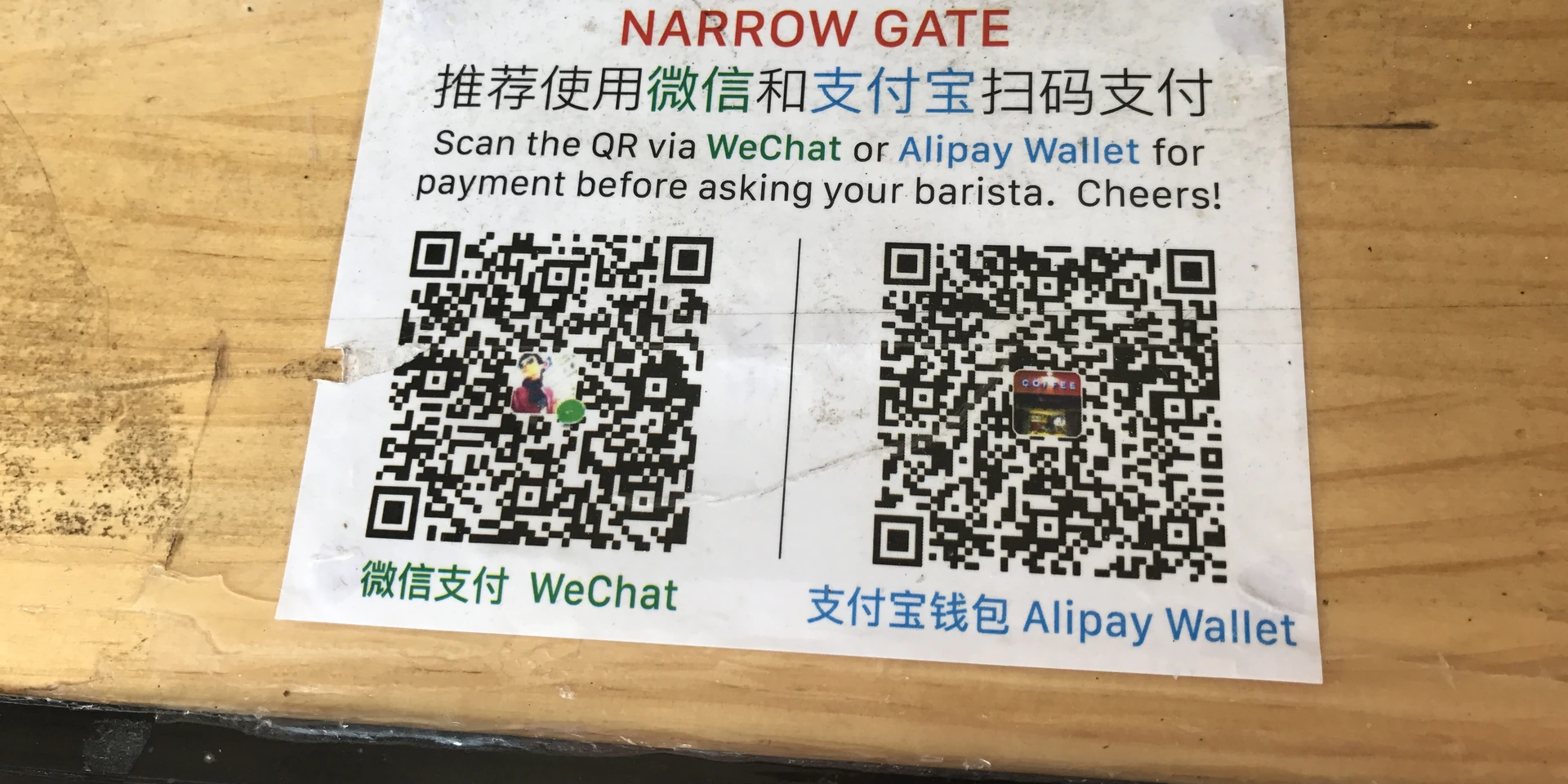
Set up Alipay first and WeChat Pay second, before you fly, with your own phone number and a Visa, Mastercard, JCB or Discover card. Single payments of CNY 200 or less have no app fee; above that the fee is 3% of the full amount. Passport verification raises limits to US$5,000 per payment and US$50,000 a year. TourCard is closed to new users. Use an international eSIM for data, carry CNY 300–500 cash. China Travel X: private custom trips, small groups, no shopping stops, complimentary eSIM.

Zhangjiajie and Guizhou: Avatar Mountains Without a Shopping Tour
Plan about 3–4 full days in Zhangjiajie for the sandstone Avatar pillars, then 2–4 in Guizhou for Miao or Dong village time. Seven to nine days covers both without stacking glass bridges and shopping stops. Private custom or small groups, no shopping-stop tours. Flights and hotels can sit inside the journey. Complimentary eSIM: 10 days/3 GB or 15 days/5 GB.
Frequently asked questions
How do I know if a China tour has shopping stops?+
Are shopping stops illegal in China?+
Can I refuse to go into a shop on a group tour?+
Do I have to tip guides in China?+
What is the best first-time China itinerary without shopping stops?+
Planning updates by email
Seasonal route notes, permit reminders, and new guides—no booking spam.
Want a China trip with nothing for sale on the itinerary?
Message WhatsApp (+86 177 2263 6816) with your travel dates, number of travellers and the places you have in mind, or forward a quote you were offered. We plan the route, name every stop in writing, and keep showrooms off it. Private custom or your own small group. No shopping stops, no compulsory tips. Pricing on request.