Yunnan Travel Guide: Kunming, Dali and Lijiang Without the Crowds
By Alex Chen
Published October 17, 2026 · Updated October 17, 2026

Ready to plan your trip?
WhatsApp, email, or our trip inquiry form—usually within 24 hours.
Overview
To see Kunming, Dali and Lijiang without the crowds, go mid-November to mid-December or in early January, avoid New Year's Day and the Spring Festival week (around 6 February 2027), sleep in Xizhou and Shuhe instead of the old towns, and do every big sight before 9:30 a.m. Winter is Yunnan's dry peak season. China Travel X plans private Yunnan trips with no shopping stops.
Key takeaways
- Winter is Yunnan's high season: dry air, blue skies and snow on Jade Dragon Snow Mountain bring domestic travellers south from November to February.
- The worst weeks are fixed: New Year's Day and the Spring Festival holiday (around 6 February in 2027). Mid-November to mid-December and early January are the calm windows.
- Sleep next door to the famous town: Xizhou or Shuanglang instead of Dali Old Town, Shuhe or Baisha instead of central Lijiang.
- Before 9:30 a.m. is a different country. Book the Jade Dragon Glacier Park cable car for a morning slot, seven days ahead at 20:00.
- Yunnan suits a first China trip and solo travellers: one rail line links the three cities. Watch the altitude in Lijiang and cold winter mornings.
Planning advice
17 min read
To see Kunming, Dali and Lijiang without the crowds, travel between mid-November and mid-December or in the first half of January, sleep in a smaller town next to each famous one, and do every big sight before 9:30 a.m. Yunnan's dry winter is its best weather and its busiest season, so the crowd problem is about timing and where you sleep, not about picking a different month.
It is 7:50 on a December morning in Lijiang. The lanes of the Old Town are cold and blue, a woman is hosing down the stones outside a noodle shop, and the only sound apart from the water is a man fixing a shutter. Three hours later the same lane holds a megaphone, two tour flags and a queue for a photo on a bridge. Nothing about the town has changed. The clock has.
This guide is about that clock. It covers when Yunnan is busy and why, how to run Kunming, Dali and Lijiang so you are always slightly early or slightly elsewhere, what changes for a solo traveller, and where to go when the famous places are full. If you are still deciding if Yunnan fits a first China trip at all, read our first-time Yunnan guide first; this one assumes you are going.
Key Takeaways
- Winter is Yunnan's high season. November to February brings dry air, blue skies and snow on Jade Dragon Snow Mountain, and it also brings domestic travellers escaping the cold north. Plan for that instead of being surprised by it.
- The worst weeks are fixed on the calendar. New Year's Day and the Spring Festival holiday, which falls around 6 February in 2027, fill trains and hotels. Mid-November to mid-December and the first half of January are the calm windows.
- Sleep next door to the famous town. Xizhou or Shuanglang instead of Dali Old Town, Shuhe or Baisha instead of central Lijiang. You visit the busy place early and go home to a quiet one.
- Before 9:30 a.m. is a different country. Old towns, Erhai's shore and the Jade Dragon cable car are all calmer in the first hours. Book the cable car slot for the morning, seven days ahead.
- Yunnan works well for a first trip and for solo travellers. The rail line ties the three cities together, distances are short, and the pace can be slow. The catch is altitude in Lijiang and cold mornings in winter.
Is Yunnan worth it for a first China trip?
Yes, if you have at least a week to give it and you care more about towns, lakes, mountains and food than about checking off Beijing's monuments. Kunming, Dali and Lijiang sit on one high-speed rail line: about two hours from Kunming to Dali, and one and a half to two and a half hours from Dali to Lijiang. That makes it one of the easiest regions in China to travel slowly without long transfer days.
It is a softer landing than Xinjiang or Tibet. There is no special permit, the weather in the dry season is mostly kind, and the Bai and Naxi towns feel different enough from eastern China that even a short trip feels like its own place. What it is not is empty. Dali and Lijiang are two of the most visited towns in the country, and anyone who arrives expecting a secret will be disappointed by 11 a.m.
If this is your only trip to China and you also want the Great Wall and the Terracotta Warriors, Yunnan can be the second half of a two-week route. Our guide to how many days in China shows how a 10 or 14 day trip splits between the classic cities and one region. For the full picture of Yunnan's north and south, seasons and costs, see the first-time Yunnan guide and the Yunnan destination page.
When Yunnan is crowded, and why winter is peak season
Most of China plans winter as the off season. Yunnan does the opposite. From November to February the province is dry, the sky over Dali and Lijiang is often a hard blue, and Jade Dragon Snow Mountain carries its fullest snow. Kunming, at about 1,890 metres, stays mild in the daytime while Harbin and Beijing freeze, and a large part of northern China decides to come south.
That demand is not spread evenly. A few weeks take most of it.
- New Year's Day. A short holiday, but enough to fill Dali and Lijiang for three or four nights.
- Spring Festival (Chinese New Year). The big one. In 2027 the first day of the new year falls around 6 February, and the official holiday runs about a week around it. Trains sell out, hotel rates jump, and the old towns are at their fullest. The State Council publishes the exact dates late in the year.
- School winter break. Roughly mid-January to late February, which adds families to the weeks around the Spring Festival.
- Weekends. Kunming and Dali both get weekend visitors from the province itself. A Wednesday in Dali is not a Saturday in Dali.
October is the other pressure point. The National Day holiday, 1 to 7 October, is the busiest week of the year anywhere in China, and Yunnan is no exception.
The calm windows
The weeks that give you winter weather without the holiday rush are mid-November to mid-December and the first half of January, after New Year's Day and before the school break. Late February, once the Spring Festival crowds have gone home, is another good stretch, and Dali's cherry and rapeseed blossoms start around then. Inside any window, go on weekdays and leave the weekend for a quieter town.
What a winter day feels like
Days are warm in the sun and cold at night. In Kunming you can walk in a light jacket at noon. In Lijiang, at about 2,400 metres, early mornings are near or below freezing, and many guesthouses have thin walls and no central heating, so ask about heating when you book. Jade Dragon Snow Mountain's upper platform is properly cold and windy. Pack layers rather than one heavy coat.

Kunming: start slow, leave early
Kunming is usually where you land, and it is a good place to spend one or two nights before going higher. The altitude is gentler than Lijiang's and the city has the unhurried feel of somewhere that does not need visitors to function.
In winter, Kunming has one sight you cannot get anywhere else. Every year from about November to March, tens of thousands of black-headed gulls fly in from Siberia and spend the season on Dianchi Lake and the city's Green Lake (Cuihu). Haigeng Dam, on the lake's east shore, is free and open all day. The gulls are most active between about 8 and 10 a.m. and again late in the afternoon, which is also when the light is best. Go early on a weekday and you will share the embankment with retirees and joggers; go on a Sunday afternoon and you will share it with half the city.
Other calm-hour ideas: Green Lake Park at 8 a.m., when locals are doing tai chi and the gulls are hungry; Yuantong Temple soon after it opens; and the Yunnan Provincial Museum on a weekday morning. Leave Kunming by a mid-morning train and you arrive in Dali before lunch.
Dali: Erhai at dawn, and a town to sleep in
Dali is a lake, a mountain range and a string of Bai villages, with an old walled town at one end that gets most of the attention. The trick is to treat Dali Old Town as somewhere you visit, not somewhere you sleep.
Where to stay instead. Xizhou, about 18 kilometres north, is a Bai town with carved gateways, courtyard houses and a morning market that is still mostly for people who live there. It has a handful of good guesthouses in restored courtyards. Shuanglang, on Erhai's east shore, is busier than it was ten years ago but empties out in the evening, and the lake view from the east side, looking back at the Cangshan range, is the better one.
How the day runs. Walk Dali Old Town before 9 a.m., when shopkeepers are sweeping and the gates are quiet. Ride or drive the Erhai shore road early, then stop for a long lunch in a village while the tour coaches do their loop. The Three Pagodas of Chongsheng Temple are best at opening time or in the last hour of light. Market day in Xizhou is the town at its most alive, and it has nothing to do with tourism.
An alternative if Dali feels full. Shaxi, about three hours north of Dali by road, is an old Tea Horse Road market town with a theatre stage on its main square and a Friday market. It is far enough from the rail line that day trippers thin out, and a night there makes a natural break on the way to Lijiang by car.

Lijiang: early lanes, a quieter base, and the mountain
Lijiang Old Town (Dayan) is a UNESCO World Heritage site and, for most of the day, one of the most crowded places in Yunnan. That is not a reason to skip it. It is a reason to see it at the right hour.
Before 9:30 a.m. The canals run clear, Naxi families are opening shops, and you can climb to the Wangu Pavilion in Lion Hill Park to see the roofs in morning light. By mid-morning the main lanes fill, and by evening the bar street around Sifang Square is loud until late. If you want a night view, look from above rather than walk through it.
Sleep in Shuhe or Baisha. Shuhe, about four kilometres north, is a smaller old town with its own stream and courtyards, and it quiets down much earlier at night. Baisha, further out at the foot of the mountain, is the old Naxi capital, with Ming-era murals and a slow main street. Both make easy bases, and both put you closer to Jade Dragon Snow Mountain for an early start.

Jade Dragon Snow Mountain without the queue
The mountain is where timing matters most. A few things to know:
- Tickets are real-name and limited. Park entry, the shuttle and each cable car are booked separately. The Glacier Park cable car, which climbs to about 4,506 metres, releases its tickets seven days ahead at 20:00 Beijing time through the operator's official WeChat mini-program. Foreign visitors book with a passport and must bring the original on the day. In busy weeks the morning slots go within minutes.
- Go first thing. Cloud tends to build after midday, and the wind on top gets stronger. A slot between about 8:30 and 9:30 gives you the clearest view and the shortest wait.
- Have a backup. If the Glacier Park cable car is sold out or closed for wind, the Spruce Meadow cable car and Blue Moon Valley still make a good half day at lower altitude.
- Respect the altitude. You are going from about 2,400 metres to over 4,500 in eight minutes. Spend at least one night in Lijiang first, walk slowly at the top, and turn back if you feel unwell.

If you have more days
The Lijiang to Shangri-La railway opened in November 2023, and the trip now takes roughly 1 hour 10 minutes to 1 hour 50 minutes, depending on the train. Shangri-La sits at about 3,200 metres and is properly cold in winter, with quiet streets and lower hotel prices outside the holiday weeks. Tiger Leaping Gorge is a day trip from Lijiang or a stop on the road north. Both are worth it if you have two or three extra days and you have slept well in Lijiang.
A sample 8-day route that keeps you early
This is the shape of a calm winter week. It runs Kunming to Lijiang, with one night in Shaxi if you travel by car; by train, swap Shaxi for a second night in Xizhou.
| Day | Base | Morning (before the crowds) | Afternoon |
|---|---|---|---|
| 1 | Kunming | Arrive, rest | Green Lake Park, an easy dinner |
| 2 | Kunming | Gulls at Haigeng Dam, 8 to 10 a.m. | Provincial Museum, Yuantong Temple |
| 3 | Xizhou (Dali) | Train to Dali, about 2 hours | Xizhou lanes and courtyards |
| 4 | Xizhou (Dali) | Dali Old Town before 9 a.m. | Erhai shore, Three Pagodas in the last light |
| 5 | Shaxi | Drive north, about 3 hours | Shaxi square and the old Tea Horse Road stage |
| 6 | Shuhe (Lijiang) | Short drive to Lijiang | Shuhe, then an early night |
| 7 | Shuhe (Lijiang) | Jade Dragon cable car, 8:30 to 9:30 slot | Blue Moon Valley or Baisha murals |
| 8 | Lijiang | Lijiang Old Town at 7:30 a.m. | Fly out from Lijiang or take the train back to Kunming |
Add two or three days for Shangri-La or Tiger Leaping Gorge. Cut a Kunming night if you are short of time, but keep at least one night in Lijiang before the mountain.
Travelling Yunnan solo
Yunnan is one of the friendlier parts of China to travel alone. The rail line does most of the work between the three cities, Dali and Lijiang have plenty of guesthouses with other travellers in them, and the towns are walkable. Street crime against visitors is rare; the usual risks are slippery stone lanes at night, altitude, and being overcharged by a driver at a station.
A few things that help:
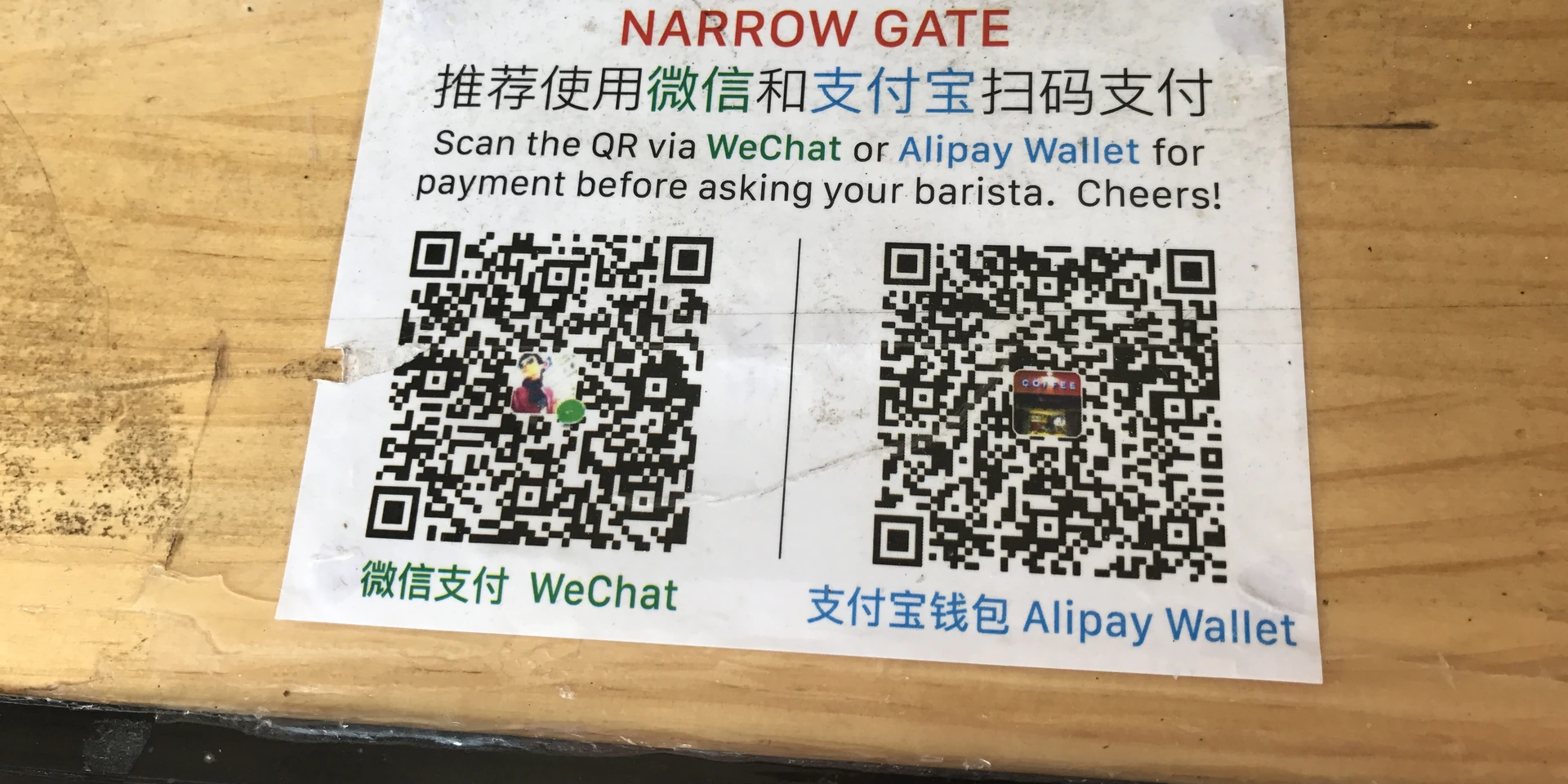
- Set up payments before you land. Most small places take only Alipay or WeChat Pay. Our Alipay, WeChat Pay and eSIM guide walks through it.
- The cable car booking is the hard part. The official mini-program is in Chinese and needs real-name details. Many solo travellers ask their guesthouse to help, or book through a planner.
- Choose guesthouses over big hotels. Owners in Xizhou, Shuhe and Shaxi are often the best source of local timing: which day the market is, which road is blocked, which lane is quiet.
- Pay more for a private driver on the rural days. Trains cover the cities, but Shaxi, Baisha and the Erhai shore are much easier with a car, especially in winter when days are short.
- Watch out for one-day tour offers at stations. The cheapest Lijiang or Dali day tours often include jade or tea shops. Our guide to avoiding shopping-stop tours explains how to spot them.
A solo traveller pays more per person for a private guide and car, because nobody is sharing the cost. A common mix is to travel the rail line on your own and book a driver-guide only for the mountain day and the rural legs.
Getting around and practical notes
- Trains. Kunming to Dali is about 2 hours; Dali to Lijiang about 1.5 to 2.5 hours; Kunming to Lijiang direct about 3.5 hours. Book on 12306 or through your planner, and early for any holiday week. Most direct Lijiang trains leave from Kunming Station rather than Kunming South.
- Flights. Lijiang has its own airport, which lets you fly in to Kunming and out of Lijiang without doubling back.
- Visas. Many nationalities can now enter China visa-free for short stays. Check the current rules for your passport on our visa and entry page before you book.
- Altitude. Kunming about 1,890 metres, Dali about 2,000, Lijiang about 2,400, the top of the Glacier Park cable car about 4,506. Go up in that order and do not rush the last step.
- Phone signal. Good in all three cities. Download offline maps before rural days.
What a private Kunming–Dali–Lijiang trip looks like
China Travel X plans private custom trips and small groups of your own, with no shopping stops. For Yunnan that usually means a driver-guide on the rural and mountain days, rail between the cities when it is faster, guesthouses in the quieter towns, and a schedule built around the early hours. We can also arrange domestic flights and hotels as part of the trip.
As a planning range from our first-time Yunnan guide, a private Yunnan trip in 2026 typically runs about US$180–380 per person per day for two to six travellers sharing a driver-guide, excluding international flights. Two people sit toward the top of that range; four to six sharing one vehicle sit lower. Holiday weeks raise hotel rates, which is one more reason to aim for the calm windows. Every traveller on a private trip also gets a complimentary China eSIM, either 10 days / 3 GB or 15 days / 5 GB.
If you are weighing a private trip against a group tour, our comparison of private and group China tours explains what each one includes. For a ready-made shape, see the Yunnan Highlands Discovery journey.
FAQ
Is Yunnan worth it for a first trip to China?
Yes, if you have at least a week and prefer towns, lakes, mountains and food to big-city monuments. Kunming, Dali and Lijiang are linked by one high-speed rail line, so travel days are short. It also pairs well with Beijing or Xi'an on a two-week trip.
When is the best time to visit Kunming, Dali and Lijiang without crowds?
Mid-November to mid-December and the first half of January give you dry winter weather without the holiday rush. Avoid New Year's Day, the Spring Festival week (around 6 February in 2027) and the 1 to 7 October National Day holiday. Weekdays are always calmer than weekends.
Is winter a good time to visit Yunnan?
Yes. November to February is the dry season, with clear skies, snow on Jade Dragon Snow Mountain and gulls on Kunming's lakes. Days are mild in the sun, but mornings in Lijiang are near freezing and many guesthouses have little heating, so bring layers.
Is Yunnan good for solo travellers?
Yes. Trains connect the three main cities, guesthouses are friendly, and the old towns are walkable. Set up Alipay or WeChat Pay before you arrive, get help booking the Jade Dragon cable car, and consider a private driver for the rural days.
How do I avoid the crowds in Lijiang Old Town?
Walk it before 9:30 a.m., sleep in Shuhe or Baisha instead of the centre, and look at the town from Lion Hill rather than walking the bar street at night. Book the Jade Dragon cable car for an early slot as soon as tickets open seven days ahead.
Last Updated
17 October 2026. Train times, cable car rules and holiday dates checked for winter 2026–27. Holiday dates for 2027 are confirmed by the State Council late in the year; check before you book.
Sources
- China Travel X, Is Yunnan right for your first China trip? (2026 planning range, regional seasons)
- China Railway 12306, Kunming–Dali–Lijiang–Shangri-La timetables (checked October 2026)
- People's Daily Online, "New railway set to bolster connectivity, development", 27 November 2023 (Lijiang–Shangri-La railway opening)
- Lijiang Tourism Group, Jade Dragon Snow Mountain cable car booking rules (seven-day release, real-name tickets), as reported in 2026
- China News Service, Kunming black-headed gull migration report, 10 March 2026
Related destination
Explore the regional hub for practical info, seasons, and more guides.
Explore journeys
Sample routes to spark ideas. Every trip is customized—these are not fixed packages.

Related guides

Is Yunnan Right for Your First China Trip?
Choose Yunnan if you have 8–10+ days, want villages and markets over desert distances or Tibet permits, and accept $180–$380/day for a private driver-guide (2–6 pax). Pick north highlands OR tropical south—not both in a week. Spring and autumn are the first-timer windows; Shangri-La needs altitude pacing. Wallets beat cards.

How Many Days Do You Need in China? 7, 10 & 14-Day Private Routes
For a first trip to China, 10–14 days on the ground is the sweet spot. Seven days works for two cities; 21 days is a deep regional add-on, not “see everything.” Private 7/10/14-day routes cover Beijing–Xi’an–Shanghai plus optional Chengdu or Zhangjiajie. Private custom or small groups, no shopping-stop tours, $180–$380 pp/day (2–6 pax). Confirm visa-free rules on the National Immigration Administration.
Private China Tour vs Group Tour: What You Actually Pay For
A private China tour buys your own vehicle, a named escort, and hours on the ground. A group tour sells a seat — and many cheap coaches rebuild the fare at jade, silk, tea, or pearl stops. Ask who is with you (guide, driver, bilingual escort, industry interpreter, or a licensed Tibet guide), not a shopping escort. China Travel X: private custom, small groups, no forced shopping stops; pricing on request.

How to Avoid Shopping-Stop Tours in China: Red Flags, Questions to Ask and a First Trip Without Them
To avoid shopping-stop tours in China, get every stop named in writing, a clear no-designated-shops line, and a price that can cover hotels, tickets, a licensed guide and a driver. Cheap join-in tours often earn from jade, silk, tea, pearl and medicine showrooms, compulsory daily tips around US$15–20, and paid extras. China's Tourism Law Article 35 bans this model. China Travel X: private custom trips, small groups, no shopping stops.
Alipay, WeChat Pay and eSIM for China in 2026: A Step-by-Step Setup for Foreign Visitors
Set up Alipay first and WeChat Pay second, before you fly, with your own phone number and a Visa, Mastercard, JCB or Discover card. Single payments of CNY 200 or less have no app fee; above that the fee is 3% of the full amount. Passport verification raises limits to US$5,000 per payment and US$50,000 a year. TourCard is closed to new users. Use an international eSIM for data, carry CNY 300–500 cash. China Travel X: private custom trips, small groups, no shopping stops, complimentary eSIM.
Frequently asked questions
Is Yunnan worth it for a first trip to China?+
When is the best time to visit Kunming, Dali and Lijiang without crowds?+
Is winter a good time to visit Yunnan?+
Is Yunnan good for solo travellers?+
How do I avoid the crowds in Lijiang Old Town?+
PRACTICAL INFO
Plan your trip
Planning updates by email
Seasonal route notes, permit reminders, and new guides—no booking spam.
Want Yunnan at its quiet hour?
Message WhatsApp (+86 177 2263 6816) with your travel dates, number of travellers and how many days you have. We check your dates against the busy weeks, plan bases in the quieter towns and book the early slots. Private custom or your own small group. No shopping stops. Pricing on request.